FAQ – Varicose veins and VenaSeal
Learn everything you need to know about varicose veins and the VenaSeal method. Find answers to frequently asked questions about causes, treatment options, and aftercare. Receive valuable information about the minimally invasive VenaSeal treatment and its benefits.

Medically tested by:
Dr. Hamidreza Mahoozi, FEBTS, FCCP, F.Z. Phlebologie
Updated:
July 20, 2024
FAQ varicose veins
Here are some frequently asked questions about varicose veins:
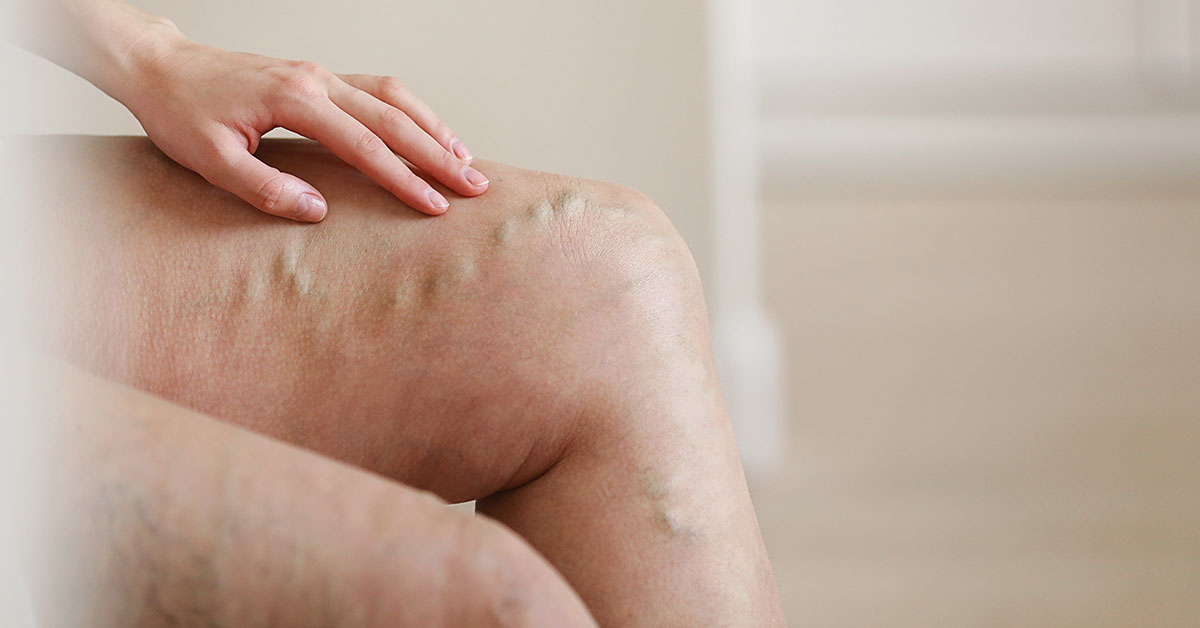
Why do spider veins and varicose veins develop?
Venous disorders always develop on the basis of an inherited venous insufficiency; rarely directly after a venous thrombosis.
External, triggering factors are usually added: lack of exercise, overweight, prolonged standing, prolonged sitting, smoking…
How are these vein problems treated?
Spider veins and varicose veins can be removed in two ways. They are either “sclerosed” by injecting special medications using a syringe and various injection techniques, or by laser treatment.
What needs to be considered before treatment?
Before any vein treatment, a painless examination of the flow conditions and the condition of the venous valves is necessary.
Do varicose veins occur again and again?
Tissue ages, and the venous valves become fewer and lose function with increasing age. Therefore, the recurrence of varicose veins after treatment cannot be ruled out.
Do varicose veins get stronger after an operation?
After a conscientious operation on the affected veins and thorough elimination of all causes, there is no reason for this.
How long do compression stockings have to be worn after an operation?
VenaSeal Treatment: None
Radiofrequency treatment: approx. 1 week
How long can you not work after a vein operation?
That depends entirely on the method used. Typically, one will be on sick leave for 2-3 weeks.
How long can I not do sports after vein surgery?
Stripping patients can usually only return to sport after 4 – 6 weeks.
Can brown or white spots appear after laser treatment of spider veins?
That cannot be completely ruled out. The very gentle and currently most advanced laser system we use probably produces the fewest brown or even white spots, but it is still conceivable in individual cases.
Where does the blood flow to after the veins have been removed?
The veins removed or eliminated during the treatment are unfortunately defective and therefore no longer contributed to venous return flow before the treatment.Their removal therefore does not worsen the venous circulation: on the contrary, their removal redirects the blood flow to other, healthy vessels that function normally.
This improves the venous return flow and reduces congestion.
Are there any side effects?
Light exercise is possible. In rare cases, there is mild pain in the treated area – this disappears after a few days. In very rare cases, superficial inflammation of the treated areas can occur. This subsides quickly with cooling, rest, and heparin bandages. Equally rare, a darkening of the skin in the treated area along the formerly defective veins can remain.
Are varicose veins dangerous?
In these pathologically dilated veins, blood accumulates in the periphery, leading to the accumulation of waste products, acids, and oxygen deficiency due to insufficient exchange of used blood with fresh blood. This can lead to malnutrition of the skin and subcutaneous tissue, and thus to open leg ulcers (“Ulcus”, “Ulkus”, or “Ulcus cruris”). In addition, clots can form, so-called “thrombi.”
If a vessel is blocked by such a clot, this is known as a thrombosis.
If it is torn loose and then reaches the lungs via the bloodstream (on its natural path), it leads to the blockage of pulmonary vessels: a process known as a pulmonary embolism, which is a very serious complication.
The superficial veins that are blocked by a thrombus can also become inflamed and ulcerated: Pus pathogens can then enter the bloodstream and trigger severe clinical pictures of “blood poisoning”.
FAQ VenaSeal
Here are some frequently asked questions about Venaseal:
How is Venaseal applied?
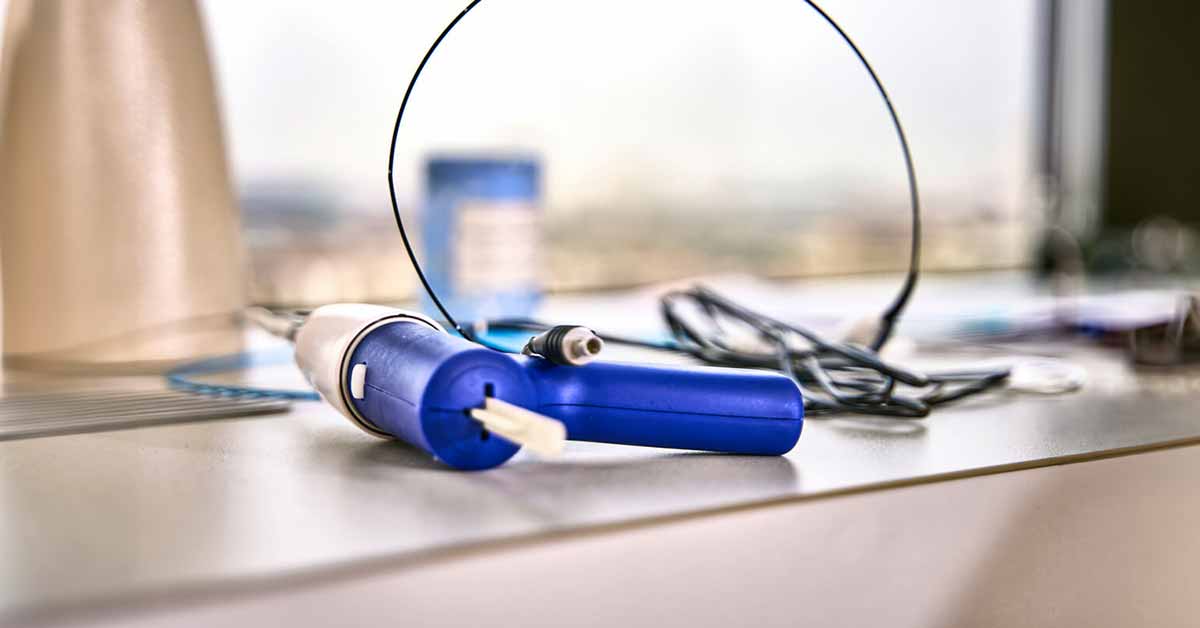
During a VenaSeal procedure, the doctor makes a small incision in the skin near the affected vein. Afterward, a special adhesive, called cyanoacrylate, is injected into the vein through a catheter. The adhesive seals the vein, preventing blood from flowing through it.
Is Venaseal painful?
VenaSeal is usually a minimally invasive procedure that is performed under local anesthesia. This means that the area around the affected vein is numb, so the procedure should not be painful. Some patients may feel slight discomfort or pressure during the procedure, but this should be bearable.
How long does the Venaseal procedure take?
The Venaseal procedure usually takes 30 to 60 minutes.
How long is the recovery time after Venaseal?
The recovery time after VenaSeal is generally shorter than after other procedures used to treat varicose veins, such as stripping or laser treatments. Most people can resume their normal activities after a few days.
What is the success rate of Venaseal for the treatment of varicose veins?
The success rate of VenaSeal for the treatment of varicose veins is generally very good. A randomized prospective study from the USA (VenaSeal-published 2018 by K. Gibson) reported that 96% of patients treated with Venaseal did not experience a regression of varicose veins within two years of treatment.