Incisional hernia – causes, symptoms, treatment
An incisional hernia, also known as a scar rupture, is a visceral hernia that develops at a former surgical scar on the abdominal wall. Tissue or even part of the intestine protrudes from the abdominal cavity through a weak point in the scar tissue. A visible or palpable bulge forms at the scar. Such incisional hernias occur in about 10–20% of patients after major abdominal surgery – often only months or years after the procedure. This means that any previous abdominal surgery can lead to an incisional hernia in the long term, especially if unfavorable factors are added.

Medically tested by:
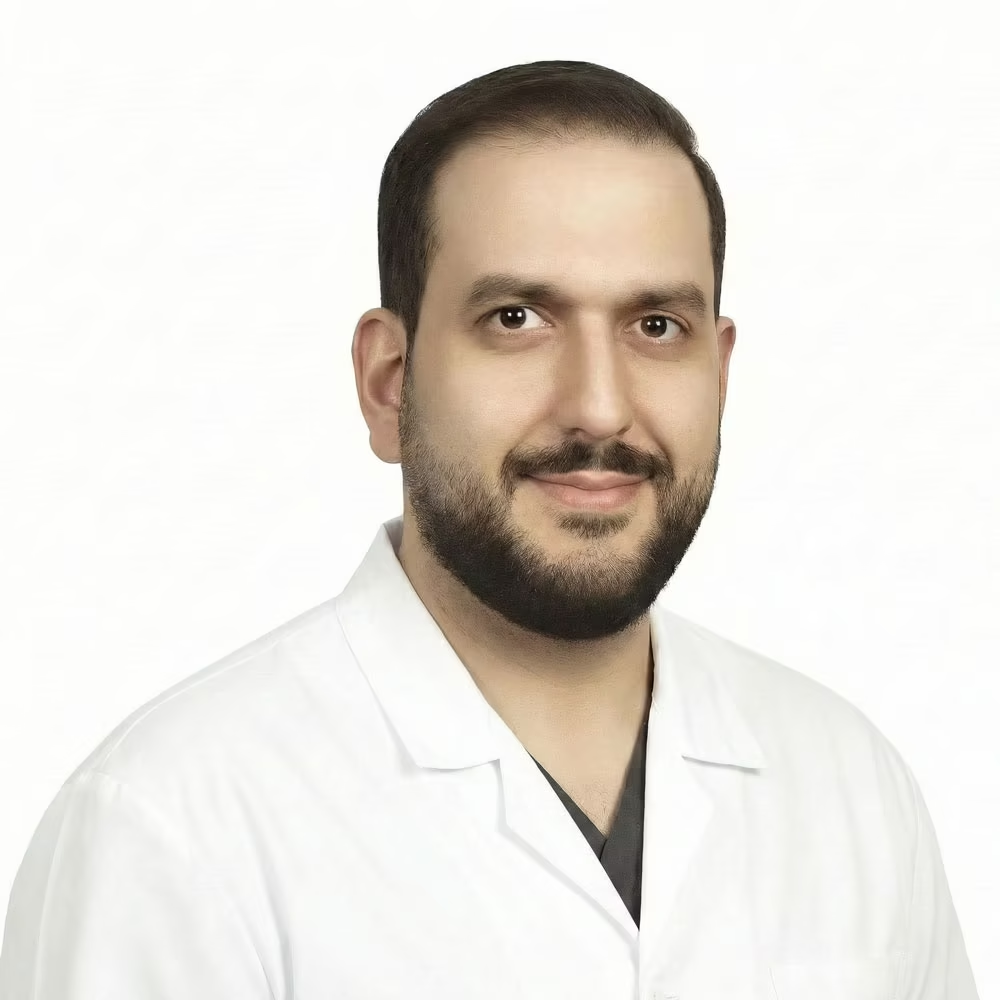
Dr. Hamidreza Mahoozi, FEBTS, FCCP
First publication:
April 22, 2025
Updated:
August 25, 2025
Causes: How does an incisional hernia develop?
Incisional hernias occur when the abdominal wall in the area of a healed surgical scar no longer has its full load-bearing capacity. Several causes and risk factors can contribute to the formation of an incisional hernia:
- Impaired wound healing: Infections or complications at the surgical wound delay healing. This results in less stable scar tissue that may give way later under stress.
- Early or heavy strain: If the abdominal wall is subjected to heavy physical strain too soon after an operation (e.g. heavy lifting, straining during bowel movements, coughing violently), the fresh scar can be overstretched.
- Increased intra-abdominal pressure: Obesity or chronic coughing (e.g., in smoker’s cough) increase the pressure in the abdominal cavity. This favors the expression of tissue through weaker areas of the abdominal wall.
- Weak connective tissue: Some people naturally have weaker collagen tissue or connective tissue weakness (favored by age, genetic predisposition, or e.g., taking cortisone). In them, scars heal less stably.
- Multiple prior surgeries: Each additional surgery at the same site can reduce the stability of the abdominal wall. In particular, repeated procedures on a scar increase the risk of a rupture.
Often it is an interaction of several factors. Even with optimal surgical technique, an incisional hernia can occur if unfavorable conditions are present. Important to know: Once a gap has formed in the abdominal wall, it does not close again by itself – the incisional hernia remains or can enlarge if nothing is done.
Symptoms: How do you recognize an incisional hernia?
An incisional hernia typically manifests as a bulge and pulling pain at the scar in question. Pay attention to the following symptoms of an incisional hernia:
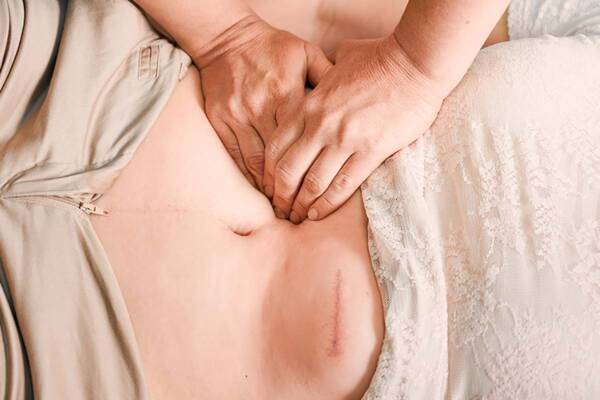
- Protrusion on the scar: A soft, often clearly visible or palpable “lump” or bump along the old surgical scar, which becomes more prominent, especially when standing or pressing.
- Pressure or pulling pain: Dull pain, a feeling of pressure or pulling may occur at the fracture site, especially when the abdomen is strained (lifting, coughing, getting up from a lying position).
- Size change: The bulge may become larger over time. Initially, it can usually be easily pushed back (the contents of the hernia slide back into the abdominal cavity, especially at rest or when lying down). Over time, this can become more difficult.
- Feeling of weakness: Some patients describe a feeling of weakness or instability in the abdominal wall at the scar site.
- Rare alarm signs: In rare cases, acute severe pain, redness, nausea, or vomiting may occur. This may indicate incarceration of intestinal parts in the incisional hernia – an emergency that requires immediate medical attention.
Have you noticed such a bulge on an old surgical scar? Then you should consult a specialist as a precaution. Our Hernia Center Berlin (VenaZiel) is at your disposal. The earlier an incisional hernia is detected and assessed, the better complications can be avoided.
Diagnostics: Examination for suspected incisional hernia
The diagnosis of an incisional hernia can usually be made by a physical examination. The specialist palpates the abdominal wall along the scar. Typically, the gap in the abdominal wall can be felt as a hernial orifice, and the extruded hernial sac is mobile.
In addition, imaging procedures are often used to accurately assess the size and contents of the hernia:
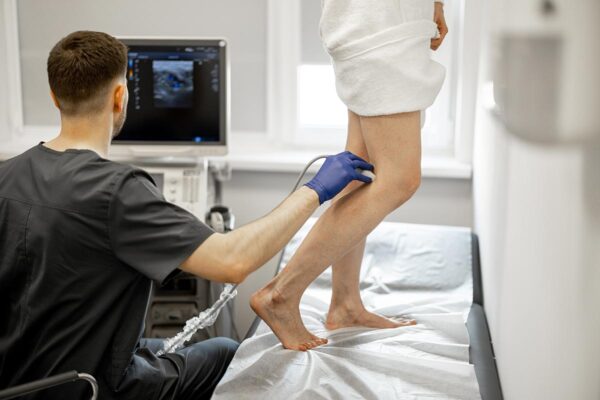
- Ultrasound (sonography): A painless ultrasound examination of the abdomen can make the incisional hernia clearly visible. This reveals the hernial gap and whether there are intestinal loops or other tissue in it.
- Computed tomography (CT) or MRI: For larger or complicated abdominal wall hernias, a sectional image can be useful. A CT or MRI shows the abdominal wall in great detail and helps with surgical planning, especially if adhesions or multiple hernial gaps are present.
At the VenaZiel Hernia Center Berlin, we rely on modern diagnostics directly on site. Our experienced hernia specialists will examine you thoroughly and explain to you in an understandable way whether an incisional hernia is present and what treatment options are available.
Incisional hernia surgery: outpatient and modern treatment
The good news for patients with incisional hernia: Nowadays, an incisional hernia can usually be operated on gently, minimally invasively and on an outpatient basis. In our Hernia Center at Checkpoint Charlie in Berlin, we offer you a modern incisional hernia surgery that is tailored to your needs.
Does every incisional hernia require surgery?
As a matter of principle, an existing incisional hernia can only be permanently corrected by surgery. Without surgery, the gap remains and the hernia can become larger over time. There is also always a risk of intestinal loops becoming trapped. Therefore, doctors advise surgery in most cases, especially if you have symptoms or the hernia is getting larger.
In some exceptional cases – for example, if the hernia is very small and asymptomatic or if severe comorbidities pose a high surgical risk – a temporary wait-and-see approach can be discussed. However, the hernia must be checked regularly by a doctor. Wearing a truss (special belt) can also provide relief as a temporary solution. However, this does not replace surgery, but at most delays it. In the long term, there is no way around incisional hernia surgery if you want to eliminate the cause.
Minimally invasive hernia surgery: gentle surgical procedures
Our specialists for minimally invasive hernia surgery in Berlin use state-of-the-art surgical procedures to close your incisional hernia as gently as possible. In the minimally invasive method (keyhole surgery), only a few small incisions (approx. 5-12 mm) are made in the abdominal wall. We insert a tiny camera and the finest instruments through these accesses.
Procedure for minimally invasive incisional hernia surgery
- Anesthesia: The operation is usually performed under general anesthesia so that you do not feel any pain. In the case of smaller hernias, regional anesthesia or local anesthesia with twilight sleep are also possible in individual cases.
- Laparoscopy: The surgeon uses a camera to obtain an overview of the hernia site from the inside via small incisions in the skin.
- Hernia closure: Protruded tissue is brought back into the abdominal cavity. The gap in the abdominal wall is then closed from the inside.
- Mesh insertion: To prevent recurrence, a special plastic mesh is attached to the abdominal wall. This hernia mesh strengthens the scar from the inside and firmly fuses with the tissue. Modern meshes are well tolerated and ensure long-term stability.
- Conclusion: The instruments are removed and the small incisions are sutured. Only very small scars remain.
Advantages of the minimally invasive method:
Thanks to the keyhole technique, you usually have less postoperative pain, only tiny skin scars and recover faster. After just a few weeks, you can usually resume your usual activities. In addition, the risk of infection at the wounds is lower than with a large open operation.
Of course, there are cases in which an open surgical procedure is necessary – for example, in the case of very large or complicated incisional hernias. Here, too, our Hernia Center uses the most modern techniques and mesh materials to achieve the best possible result.
Outpatient surgery with rapid recovery
A special feature of the VenaZiel Hernia Center is that we can perform most incisional hernia operations on an outpatient basis. Outpatient means: You can return home on the same day of the operation after a reasonable recovery period.
How does an outpatient incisional hernia operation work? On the day of the operation, you will come to our clinic at Checkpoint Charlie in the morning or in the morning. After preparation and the gentle, minimally invasive hernia operation, you will recover for a few hours in our recovery area under supervision. As soon as you are awake and stable and have eaten something, you will be accompanied home. We will ensure that you are fully informed before discharge – e.g. about rules of conduct, painkillers and follow-up appointments.
Your advantages of outpatient hernia surgery:
- Home environment: You often recover faster and more relaxed at home than in hospital.
- Lower risk of infection: shorter hospital stays mean less risk of hospital-acquired infections.
- No overnight stay: You save yourself an inpatient stay and are back in your familiar surroundings with your family more quickly.
- Flexible scheduling: Outpatient procedures can be scheduled promptly with us – there are no long waiting times for a hospital bed.
Despite the outpatient procedure, you are in safe hands with us. Our team is always available to answer questions or problems that arise after the procedure. In addition, you will receive timely appointments for follow-up examinations in our Hernia Center Berlin to monitor the healing process.
Why VenaZiel? – Your advantages at the Hernia Center Berlin
The treatment of an incisional hernia is a matter of trust. At the VenaZiel Hernia Center Berlin, you are in experienced hands. Our center specializes in hernia surgery and offers you a modern, patient-oriented environment. Your advantages at a glance:
- Specialized hernia surgeons: At VenaZiel, you will be treated by proven experts in hernias (ruptures). Our team operates on abdominal wall hernias every day – this experience ensures the highest treatment quality.
- Minimally invasive expertise: We prefer to use gentle, minimally invasive procedures. As a result, our patients have less pain and recover faster.
- Outpatient surgery in top quality: We perform your incisional hernia surgery in Berlin on an outpatient basis, without compromising on safety. Our state-of-the-art Class 1 operating rooms meet the highest clinical standards, comparable to a hospital – but with the comfort of a private clinic.
- Short waiting times: With us, you will receive a consultation appointment promptly and, if necessary, a surgery appointment quickly. Long waiting times for an incisional hernia surgery are eliminated at the Hernia Center VenaZiel.
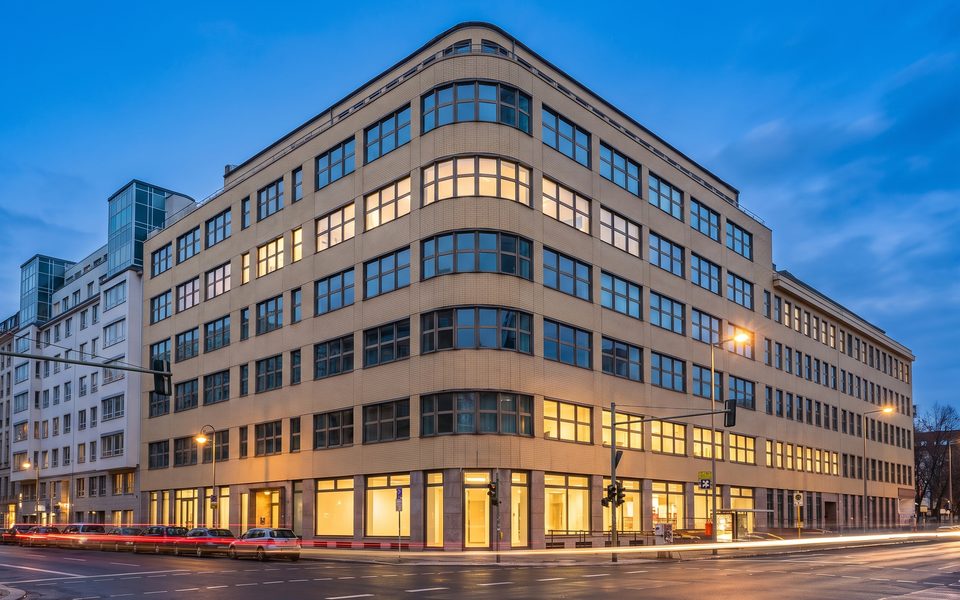
- Central location: Our practice is located in the heart of Berlin (Kreuzberg), directly at the historic Checkpoint Charlie. You can reach us easily by public transport. The central location also makes it easier for your relatives to travel.
- Personal support: From the first examination to aftercare, you will receive individual support. We take time for your questions and concerns. Your trust and well-being are our top priority.
All these factors make VenaZiel a prime address for patients who want to treat an incisional hernia or other abdominal wall hernia. See for yourself at our Hernia Center – we are ready to help you.
Frequently asked questions about incisional hernia (FAQ)
What is an incisional hernia and what causes it?
An incisional hernia is a hernia in an old surgical scar. After abdominal surgery, the scar can form a weak point through which tissue or intestine protrudes. Common triggers are impaired wound healing, too early weight bearing after the operation, obesity or congenital weakness of the connective tissue. The combination of these factors means that the scar cannot withstand the internal pressure and a hernia forms.
How do I know if I have an incisional hernia?
A typical symptom is a soft protrusion on the former surgical scar, which is particularly noticeable when standing or pressing (coughing, lifting). This is often accompanied by a pulling or pressure sensation in this area. If you notice such a bump, which may disappear when you lie down, you should consult a doctor. If you experience sudden severe pain, redness or nausea at a scar site, you should suspect an incarceration – in this case, go to hospital immediately!
Is an incisional hernia dangerous?
In itself, an incisional hernia is not usually life-threatening, but it can enlarge and cause increasing discomfort. The greatest danger is the incarceration of parts of the intestine in the hernia. This interrupts the blood supply to the intestine – an acute emergency that requires immediate surgery. If left untreated, an incarceration can lead to intestinal obstruction or death. An incisional hernia should therefore not be taken lightly.
Does every incisional hernia require surgery?
In most cases, surgery is recommended as this is the only way to permanently close the cause – the gap in the abdominal wall. Without surgery, the hernia usually enlarges over time. Surgery is particularly recommended if you are in pain or the hernia is getting bigger. Only in a few cases (very small, asymptomatic hernia and high risk of surgery) can you wait and see. Even then, regular check-ups are important. In the long term, however, incisional hernia surgery is the only curative treatment.
How is an incisional hernia operated on?
The standard procedure today is to reinforce the abdominal wall with a synthetic mesh. The operation can often be minimally invasive (laparoscopic): The surgeon makes several small incisions, inserts a camera and places the mesh on the hernia site from the inside. In the case of larger incisional hernias or certain situations, surgery must be performed in an open procedure. Even then, a mesh is usually sewn in to ensure stability. The exact surgical method depends on the size and location of the hernia as well as your individual factors, which will be discussed with you in advance.
What anesthesia is required for hernia surgery?
Most incisional hernia operations are performed under general anesthesia so that you are absolutely pain-free and the abdominal wall is completely relaxed. In some cases, surgery can also be performed under partial anesthesia (spinal anesthesia) or local anesthesia – the latter especially for smaller hernias and open techniques. Our anesthetists will discuss the safest and most comfortable solution with you.
How long does the procedure and hospital stay take?
An uncomplicated incisional hernia operation usually takes between 45 minutes and 2 hours, depending on the size of the hernia and the surgical method. Thanks to our outpatient concept, you can usually return home on the same day. In total, you will only spend a few hours at our surgery center, including preparation and recovery. This eliminates the need for a longer stay in hospital.
Will I have severe pain after the operation?
Thanks to modern, gentle surgical techniques and effective pain therapy, the pain after an incisional hernia operation is easy to control. You will be given painkillers immediately after the operation so that you feel very little pain. In the days afterwards, you will often experience soreness or aching muscles in your abdomen, but this can be easily treated with tablets. Many patients are surprised at how well the pain is tolerated – especially after laparoscopic surgery. It is important that you take the prescribed painkillers as required and take it easy physically.
What do I need to consider after the operation?
After an incisional hernia operation, you should take it easy physically for a few weeks. In particular, avoid heavy lifting (nothing over approx. 5-10 kg for the first 4-6 weeks, depending on your doctor’s instructions). Sports activities should also be resumed gradually and only after clearance from the doctor. The wounds must be kept clean and dry; you will be given detailed care instructions. At our Hernia Center, we will arrange follow-up appointments to monitor the healing process. We are also available at any time to answer any questions you may have or if any complaints arise.
When can I return to work?
This depends on the type of work you do and the size of the hernia. In the case of predominantly sedentary work, many patients can return to work after 1-2 weeks, provided there are no complications. For physically demanding jobs or larger hernias, it may be necessary to take several weeks off work (up to 4-6 weeks). Your surgeon will give you a recommendation at the final consultation as to when you will be able to return to work.
Does health insurance cover the costs of treatment?
Yes, the treatment of an incisional hernia is a medically necessary measure and is generally covered by statutory and private health insurance. At VenaZiel Hernia Center Berlin, you can be treated as a statutory or private patient. Any co-payments (as is usual for outpatient operations) or formalities will be explained to you transparently in advance. So do not hesitate to postpone an examination or treatment for cost reasons – your health has priority and we will be happy to assist you with any questions regarding cost clarification.
How quickly can I get an appointment at the Hernia Center Berlin?
We will endeavor to offer you an appointment as quickly as possible. As a rule, you will receive a consultation appointment with our hernia specialists within a few days. If an operation is necessary, this can often be scheduled promptly – we do not have long waiting times like some large clinics. You can simply make an appointment by telephone or online (via our website). We will also find a quick solution for you in the event of acute problems.
Your trust is important to us. If you have any further questions about incisional hernias, please do not hesitate to contact us. The team at the VenaZiel Hernia Center Berlin is at your side with advice and assistance. Together, we will find the best way to gently treat your incisional hernia and regain your quality of life.