
Phlebology Knowledge Center
Your comprehensive guide to all questions concerning venous medicine – from the basics of phlebology to advanced topics. Discover important information on the prevention and treatment of conditions such as thrombosis, varicose veins, and spider veins. Learn how an experienced phlebologist or vascular surgeon can assist you in maintaining and improving your vein health.


Overview of the history and significance of phlebology.
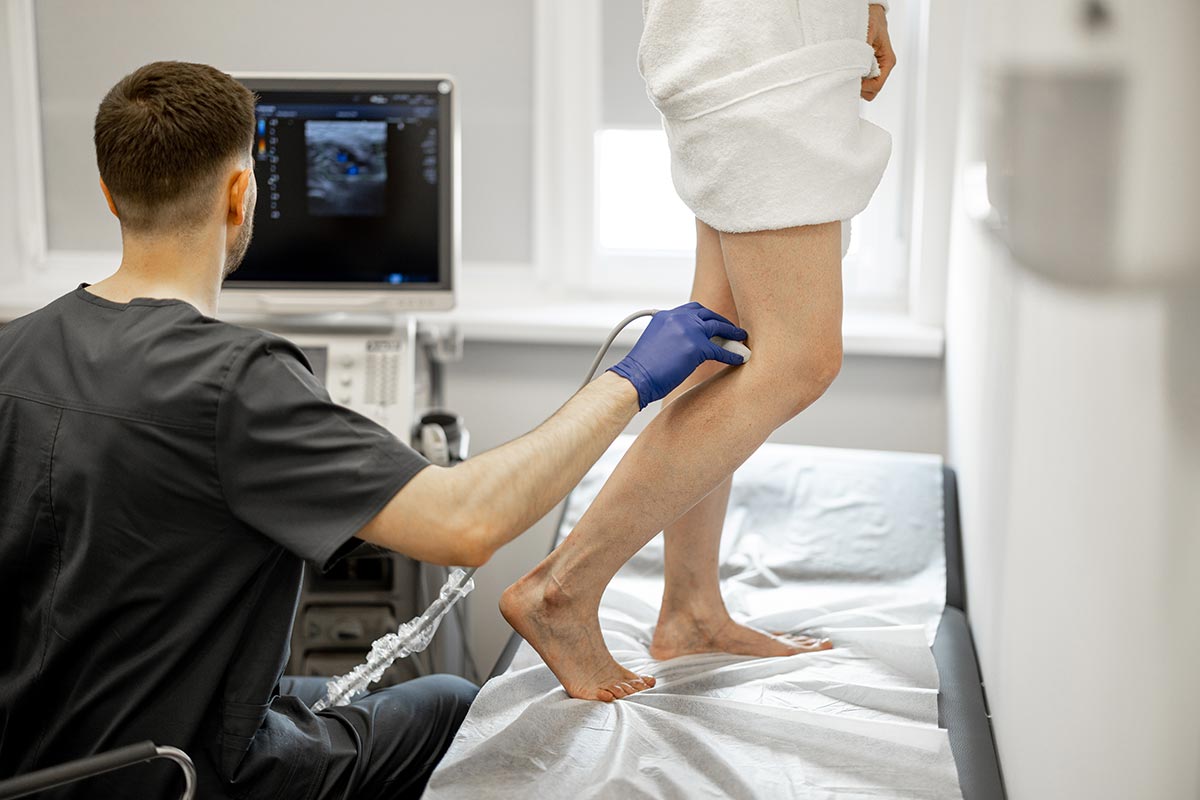
Phlebology is a major branch of medicine that specializes in the diagnosis and treatment of venous diseases. This increasingly recognized field includes the treatment of varicose veins, deep vein thrombosis and chronic venous insufficiency. Modern advances in phlebology, such as minimally invasive techniques and improved diagnostic methods, have revolutionized the treatment of venous diseases.
Phlebology is a specialized branch of medicine that deals with the diagnosis and treatment of venous diseases. The term is derived from the Greek words “phlebos” for vein and “logie” for teaching. Although phlebology is a relatively young specialty, it has gained considerable importance in medicine in recent decades. This is mainly due to the increasing number of patients with venous disorders, which can often lead to serious complications if left untreated.
Modern therapies for CVI

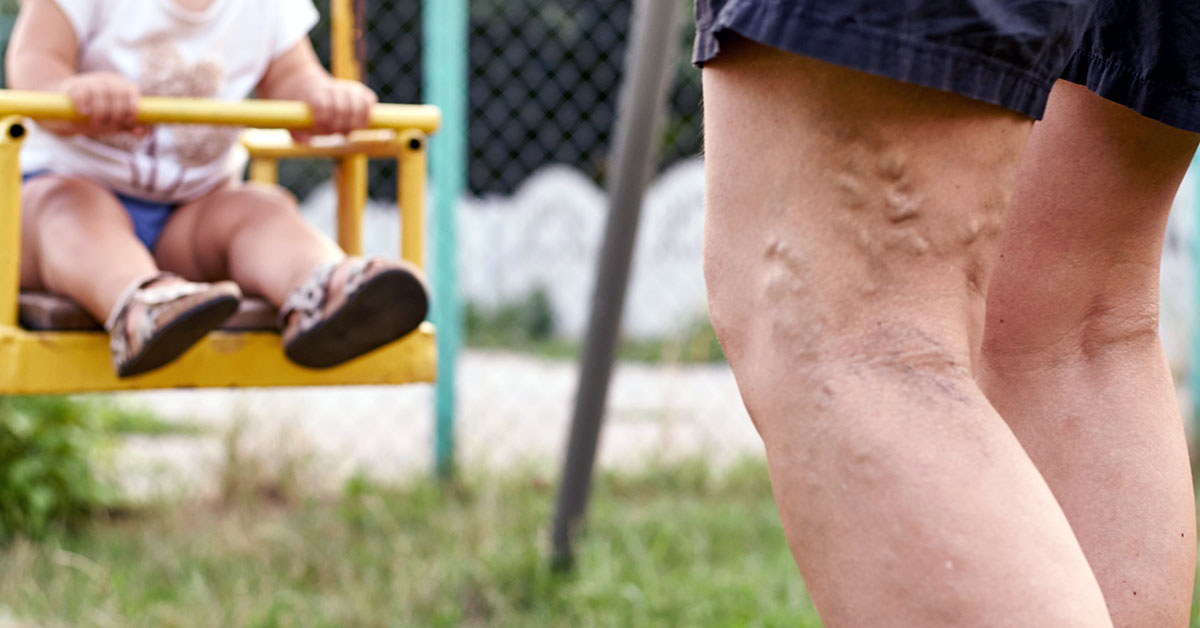
Chronic venous insufficiency (CVI) is a widespread condition of the venous system that affects millions of people worldwide. It arises from inadequate function of the venous valves, which normally prevent the backflow of blood from the legs to the heart. However, if these valves fail, blood pools in the veins of the legs, leading to increased pressure, swelling, and long-term damage such as varicose veins (varicosis), skin changes, and even venous ulcers.
CVI develops gradually and is often only recognized in later stages, when symptoms such as swelling, pain or visible varicose veins already appear. People who lead a sedentary lifestyle or have to stand for long periods at work are particularly affected. As the disease is chronic, its course steadily worsens without treatment. Early diagnosis and the right treatment are crucial to improving the quality of life of those affected and preventing serious complications.
A detailed overview of spider veins
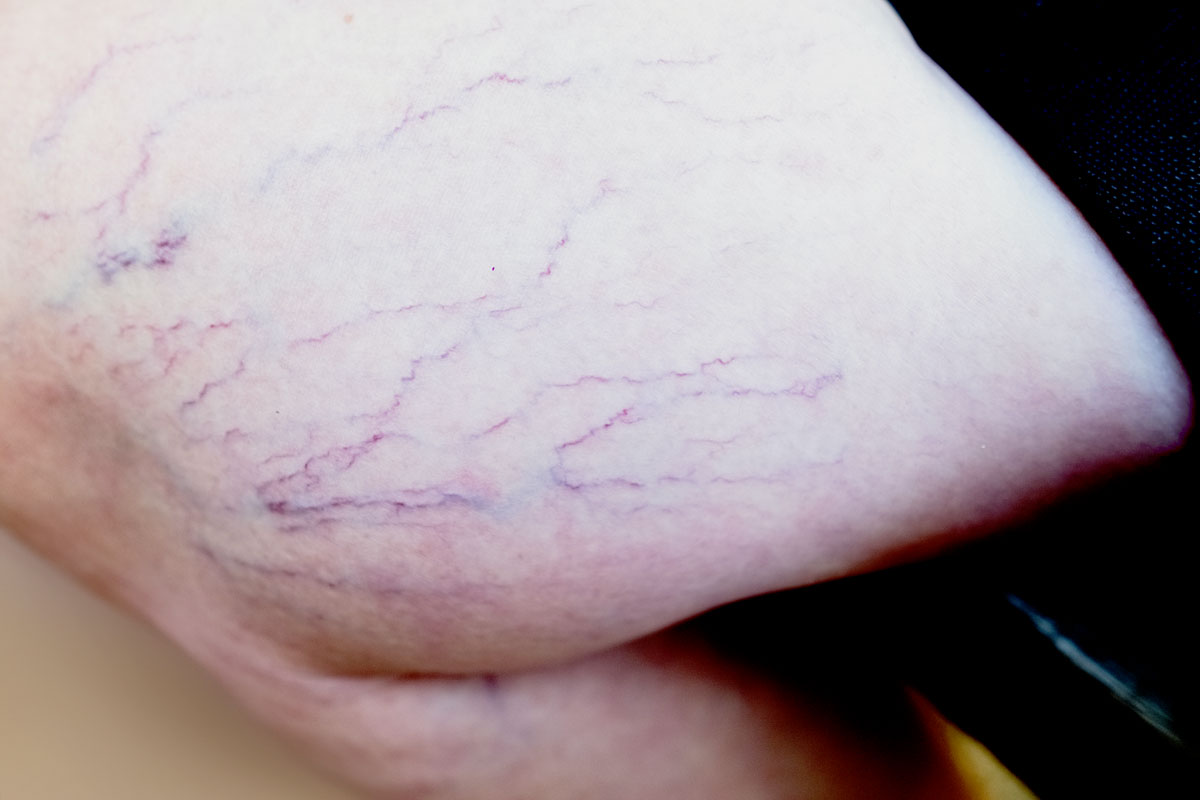
Spider veins are a widespread aesthetic and medical problem that affects many people. These small, visible veins often appear on the legs and can be caused by various factors. In the following article, we dive deep into the topic to shed light on everything you need to know about spider veins: from their causes, symptoms and diagnoses to the modern treatment options available at VenaZiel Vein Center Berlin.
What are spider veins?
Spider veins, also known as telangiectasias, are small, dilated blood vessels that are visible near the surface of the skin. They appear as thin, bluish or reddish lines that resemble a spider web, hence the name “spider veins.” These veins are often found in areas such as the legs, but also on the face. Despite their small size, they can become a major aesthetic problem for those affected, often affecting their self-confidence.
Preventing venous thrombosis: medical experts give advice

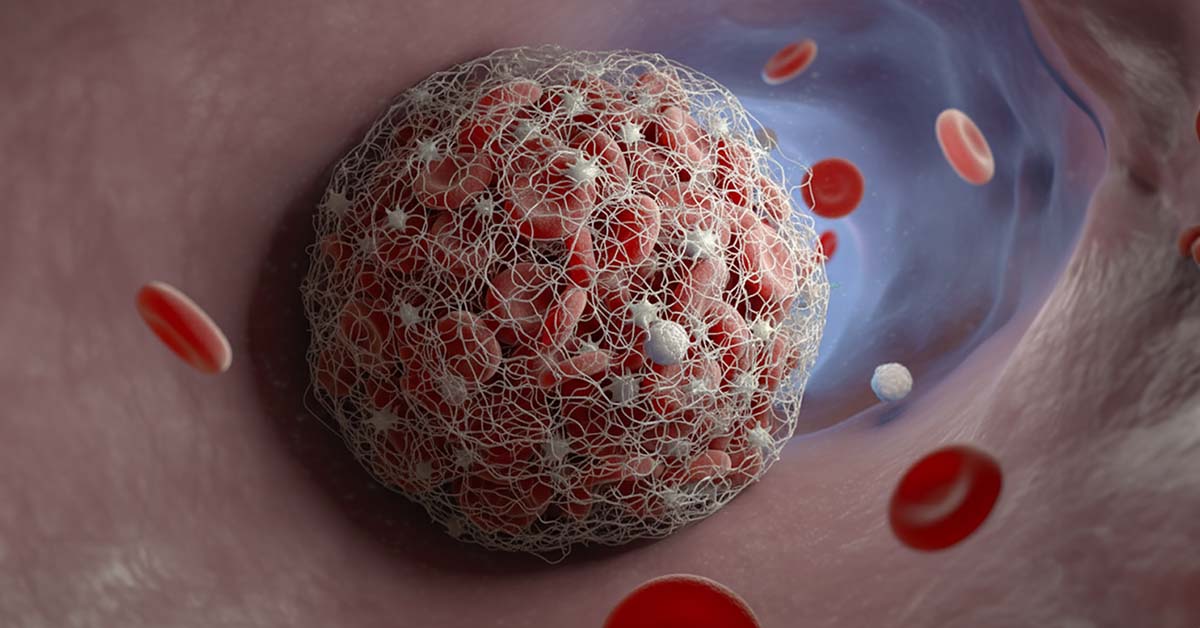
Deep vein thrombosis (DVT) is a serious health threat that affects millions of people worldwide. This disease is caused by the formation of a blood clot (thrombus) in a deep vein, often in the lower extremities. An untreated DVT can not only lead to considerable discomfort and functional impairment, but also to life-threatening complications such as a pulmonary embolism. This article is intended to provide comprehensive information on the development, diagnosis and management of deep vein thrombosis, with specific reference to prevention strategies and modern treatment approaches.
What is deep vein thrombosis (DVT)?
Deep vein thrombosis is a condition in which a blood clot forms in a deep vein, usually in the legs or pelvis. These veins are responsible for transporting blood back to the heart, and a thrombus can significantly hinder this process. The clot can partially or completely block blood flow, causing a range of symptoms and potential complications.
A comprehensive introduction and guide
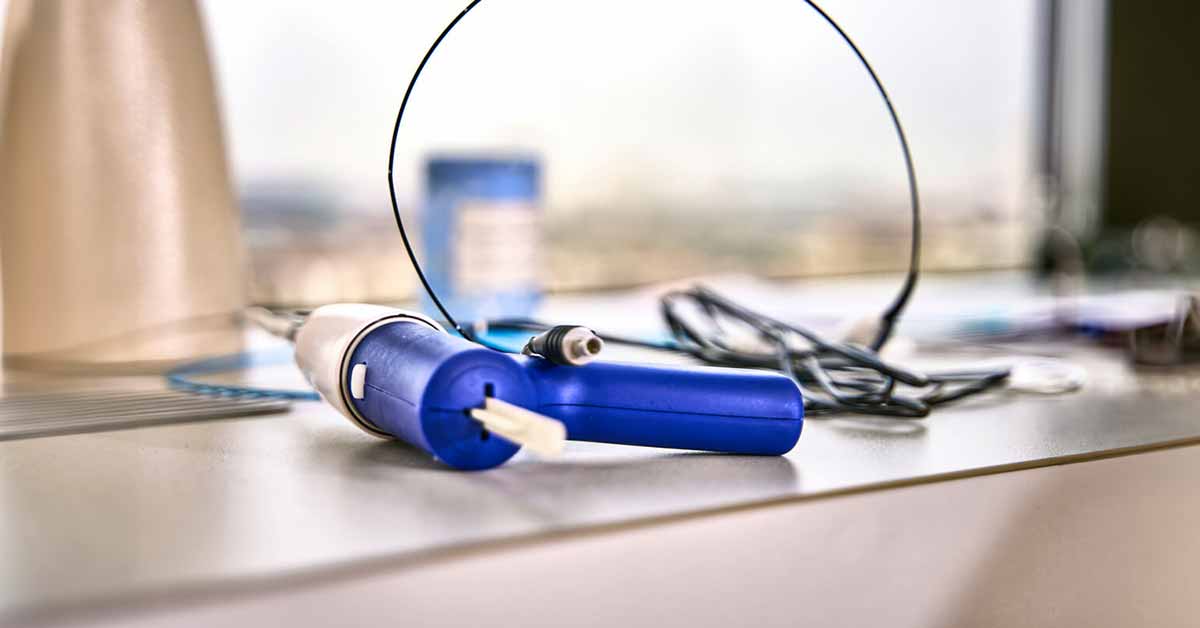
The VenaSeal treatment is a modern, minimally invasive method of treating varicose veins in which a biological medical adhesive is used to close diseased veins. In recent years, this method has proven to be a pioneering alternative to conventional procedures such as vein stripping or thermal ablation (laser or radiofrequency ablation). The adhesive, which is injected into the affected vein, causes an immediate blockage, diverting the blood to healthy veins. This not only leads to a significant reduction in symptoms such as pain and swelling, but also to an improvement in cosmetic appearance.
History and development of VenaSeal
VenaSeal was developed in response to the growing demand for gentler and more patient-friendly treatment options for venous diseases. Traditional procedures for treating varicose veins, such as vein stripping or thermal ablation, have proven their effectiveness, but have disadvantages such as longer recovery times, post-operative pain and the risk of scarring.
History of a vein adhesive – innovation in phlebology

Vein glue – also known colloquially as “vein superglue” – is a modern treatment method for varicose veins in which diseased veins are closed using medical glue. The method is considered minimally invasive and gentle, as no surgical intervention or thermal ablation is necessary.
But how was this special adhesive developed? This article highlights the historical development of cyanoacrylate adhesives in medicine, from their discovery in the 1940s and their use as wound adhesives in the Vietnam War to their current use as VenaSeal® vein glue.
In addition, current studies, success rates, costs and the use at VenaZiel® – a vein center in Berlin – are presented. The information is aimed at interested laypersons as well as medical professionals and provides a comprehensive overview of the history and current status of vein sealing.
Discovery of cyanoacrylate and first medical applications
The success story of vein glue begins with the discovery of the underlying substance: cyanoacrylate. This fast-curing adhesive – known as “superglue” – was first discovered during World War II by American chemist Dr. Harry Coover at Eastman Kodak.
Examination and therapy with microfoam and QuadroStar PRO Green Laser

Venous diseases are widespread and affect millions of people worldwide. They can range from harmless spider veins to serious problems such as chronic venous insufficiency (CVI) and deep vein thrombosis (DVT). The prevention and treatment of these diseases requires a comprehensive understanding of the factors that affect vein health. In this guide, we will highlight the most important topics that contribute to maintaining healthy veins, including nutrition, exercise, hydration, lifestyle factors, and genetic predispositions.
The role of nutrition for vein health
A healthy diet is one of the fundamental pillars for maintaining vein health. Choosing the right foods can help promote blood circulation, reduce inflammation, and minimize the risk of venous diseases.
Effective therapeutic approaches for venous leg ulcers and their causes

Ulcus cruris, often referred to as an “open leg”, is a chronic wound that usually affects the lower part of the leg. These hard-to-heal wounds are one of the most common complications in patients with chronic venous insufficiency (CVI). Ulcus cruris is a serious condition that significantly impairs quality of life. In this article, you will learn everything you need to know about the causes of venous leg ulcers, the link to CVI, the connection with other diseases and the latest modern treatment methods such as VenaSeal, radiofrequency ablation and other treatment approaches.
What is a leg ulcer?
Ulcus cruris is a chronic wound on the lower leg that is difficult to heal and is usually due to impaired circulation. In about 80% of cases, it is an ulcus cruris venosum, which is caused by venous circulatory disorders. Other forms, such as ulcus cruris arteriosum (caused by arterial disorders) or ulcus cruris mixtum (a combination of venous and arterial causes), also occur, but are less common.
Causes, tips and when you should see a doctor

Water retention, also known as edema, is a common phenomenon that affects many people, especially in the summer. These swellings occur when fluid accumulates in the tissues, usually in the legs and feet. While many cases are harmless and caused by external factors such as heat or prolonged sitting, water retention can also be a sign of serious health problems such as chronic venous insufficiency (CVI) or heart disease. Summer poses a particular challenge for many people with existing venous diseases, as the high temperatures increase the risk of swelling and related complaints.
This article provides a comprehensive overview of the causes of water retention in heat, describes preventive measures and explains when a visit to the doctor is necessary. The aim is to provide both laypersons and professionals with well-founded and easily understandable information.
Nutrition, lifestyle and prevention strategies

Venous diseases are widespread and affect millions of people worldwide. They can range from harmless spider veins to serious problems such as chronic venous insufficiency (CVI) and deep vein thrombosis (DVT). The prevention and treatment of these diseases requires a comprehensive understanding of the factors that affect vein health. In this guide, we will highlight the most important topics that contribute to maintaining healthy veins, including nutrition, exercise, hydration, lifestyle factors, and genetic predispositions.
The role of nutrition for vein health
A healthy diet is one of the fundamental pillars for maintaining vein health. Choosing the right foods can help promote blood circulation, reduce inflammation, and minimize the risk of venous diseases.
Varicose veins and their effects on sexual health

Varicose veins (varicosis) are one of the most common venous diseases and affect millions of people worldwide. They are caused by a malfunction of the venous valves, which leads to blood backing up in the veins. In addition to the typical symptoms such as heaviness, pain and swelling, varicose veins can also have a deeper impact on health, including sexual health and performance.
This article examines the link between varicose veins, tortuous varicose veins and their potential impact on sexual health based on recent studies and scientific evidence. We also look at modern treatment methods and their role in improving venous and sexual health.
What are varicose veins and tortuous varicose veins?
Varicose veins are enlarged, swollen, and tortuous veins that usually occur on the legs. They occur when the venous valves no longer function properly and the blood is not transported back to the heart effectively. This leads to an accumulation of blood, which dilates the veins and causes their characteristic tortuous shape.
7 tips for healthy legs in summer

In the summer, many people complain of heavy, swollen legs, especially due to varicose veins in the heat. Many have visible varicose veins and pain in their legs. People with chronic venous insufficiency (CVI) or varicose veins often have more problems in the summer. The warm temperatures worsen their symptoms. People with a family history of venous disease are also affected. But what is the reason for this? Why do varicose veins worsen in the heat, and what can be done about it?
In this article, we explain how heat is related to vein problems. We show the most common symptoms and risks. We will also give you seven helpful tips for prevention and treatment. These tips are based on new medical findings and modern treatment methods offered at the VenaZiel Vein Center Berlin.
Many people initially regard varicose veins as a cosmetic nuisance. But the bluish protruding veins can mean much more: They are a sign of venous disease and can lead to serious health problems if left untreated.
In this article, you will find out what varicose veins actually are, why treatment is important and which modern treatment methods – from laser to vein glue to radiofrequency – are available in Berlin and Frankfurt today.
Many people initially regard varicose veins as a cosmetic nuisance. But the bluish protruding veins can mean much more: They are a sign of venous disease and can lead to serious health problems if left untreated.
In this article, you will find out what varicose veins actually are, why treatment is important and which modern treatment methods – from laser to vein glue to radiofrequency – are available in Berlin and Frankfurt today.
Our VenaZiel vein center offers patients of all insurance types and even internationally the most modern vein therapy – medical, professional and at the same time patient-friendly.
Venous thrombosis – especially deep vein thrombosis (DVT) – is a serious, often underestimated vascular disease in which a blood clot (thrombus) forms in a vein and partially or completely blocks the blood flow.
These clots most frequently occur in the deep veins of the leg or pelvis (hence the term leg vein thrombosis or phlebothrombosis).
Every year, around one in 1000 adults in Germany suffers a DVT for the first time, making it one of the most common acute cardiovascular diseases – in third place after heart attacks and strokes.
The main danger is that parts of the clot can detach and migrate with the bloodstream towards the lungs. Such a pulmonary embolism can be life-threatening and is estimated to be responsible for up to 100,000 deaths per year in this country. In order to avoid such serious consequences, it is crucial to recognize a venous thrombosis early and treat it immediately.
But how does thrombosis develop, how can you recognize it, and what can you do about it? In this article, you will learn in an understandable and scientifically sound way what causes, risk factors, symptoms, diagnosis and treatment options exist.
IVUS Technology: Identifying causes, not just relieving symptoms.
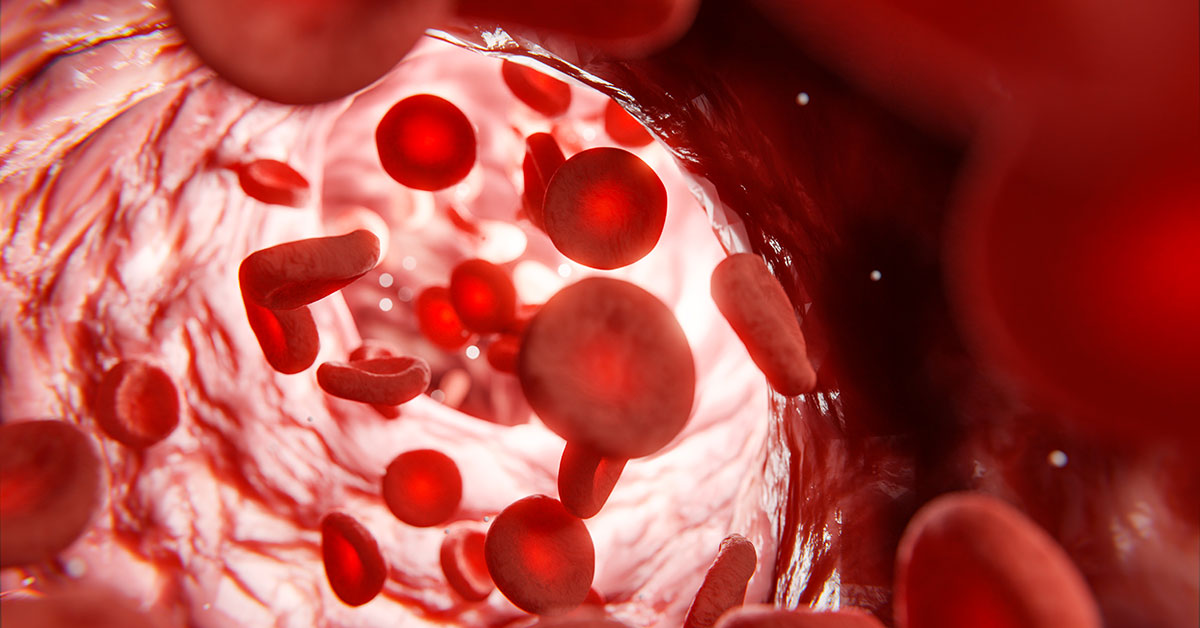
Many people breathe a sigh of relief once the acute treatment of deep vein thrombosis (DVT) is completed. But for almost every second patient, a rude awakening follows: the leg remains swollen, feels tight, hurts, or becomes darkly discoloured. In medicine, we call this post-thrombotic syndrome (PTS) – a permanent secondary damage to the veins.
Those affected often hear that they simply have to live with it or wear compression stockings for life. At VenaZiel®, we do not accept that. We use the most precise technology in the world – Philips® IVUS (intravascular ultrasound) – to find and address the true cause of your condition inside the vessels.