


Specialized medicine in Berlin. No detours.
VenaZiel is a Medical Care Center with five specialty centers—veins, hernias, proctology, thoracic surgery, and lipedema—at two locations in Berlin, with the vein center also in Frankfurt am Main. Recognized Vein Competence Center, quality-assured hernia surgery.
Also by email at [email protected]—or by phone at (030) 2529 9482.
Specialty Centers
Five specialty centers, one standard: treat gently, decide carefully.
We specialize in minimally invasive procedures. Every treatment begins with a thorough diagnosis—and with a conversation for which we take our time.
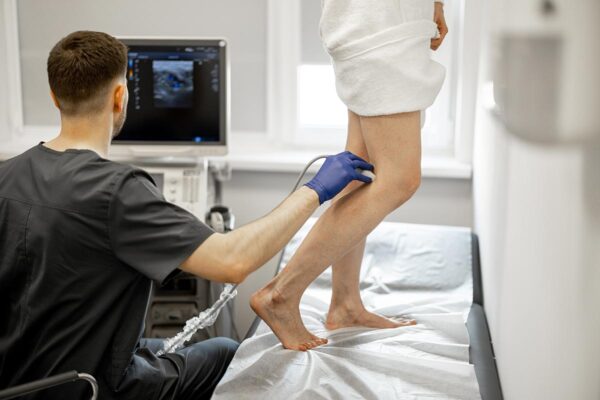
Phlebology · Vascular Surgery
Vein Center
Minimally invasive procedures such as VenaSeal (vein glue), radiofrequency, and laser therapy—and the gentle treatment of pelvic vein syndrome. Recognized Vein Competence Center.
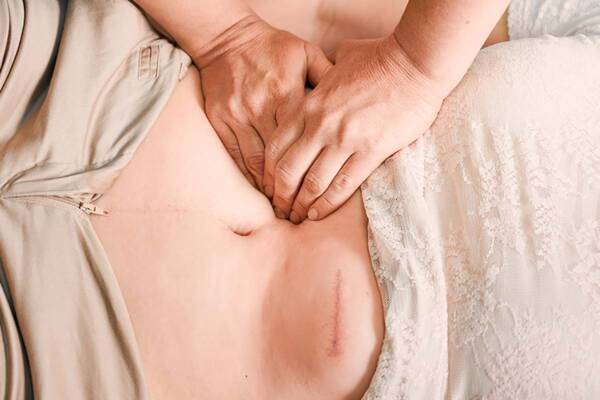
Visceral Surgery · DHG seal
Hernia Center
Inguinal, umbilical, and incisional hernias—minimally invasive and outpatient, inguinal hernia in TAPP or TEP technique. Also gallstone operations using keyhole technique.
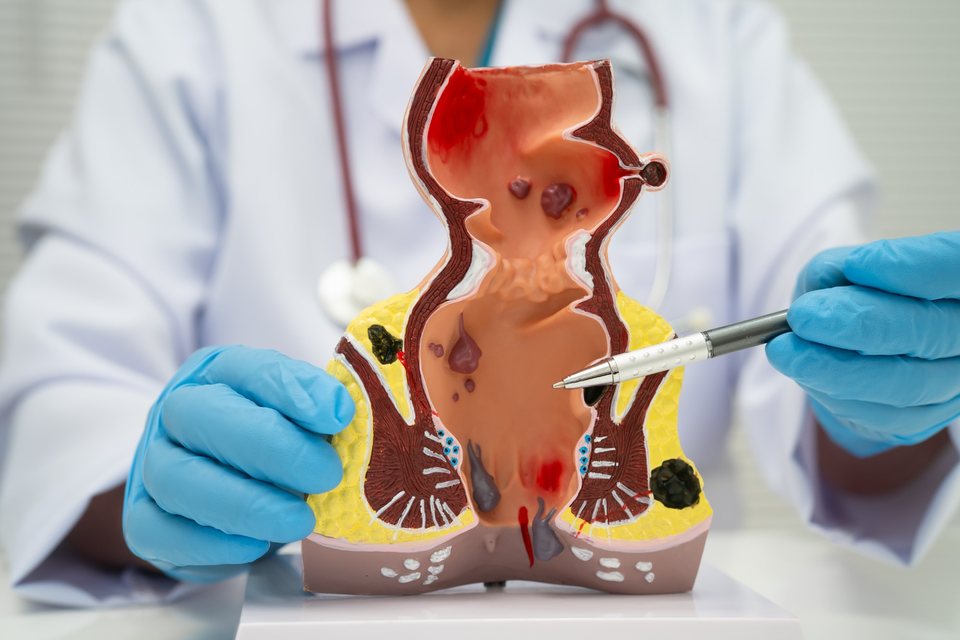
Rectal diseases
Proctology
Hemorrhoids, anal fissures, and other proctological conditions—examined discreetly, treated with modern therapeutic approaches.

Minimally invasive thoracic surgery
Thoracic surgery
Thoracic outlet syndrome and cervical rib, hyperhidrosis, and pleural effusion—treated gently and on an outpatient basis, with precise diagnostics in a dedicated specialist consultation.
Operations: Charlottenstraße 13To Thoracic Surgery

Lipedema · Diagnostics · Liposuction
Lipedema Center
Specialized diagnosis and gentle treatment of lipedema—individually tailored, up to liposuction using VASER technique and skin tightening. For more quality of life and a better body image.
Recognized
 Vein Competence CenterSeal of the Professional Association of Phlebologists and Lymphologists and the German Society for Phlebology and Lymphology
 Quality-assured hernia surgerySeal of the German Hernia Society
Other specialties
Reviews
Our approach
Specialists who talk to each other.
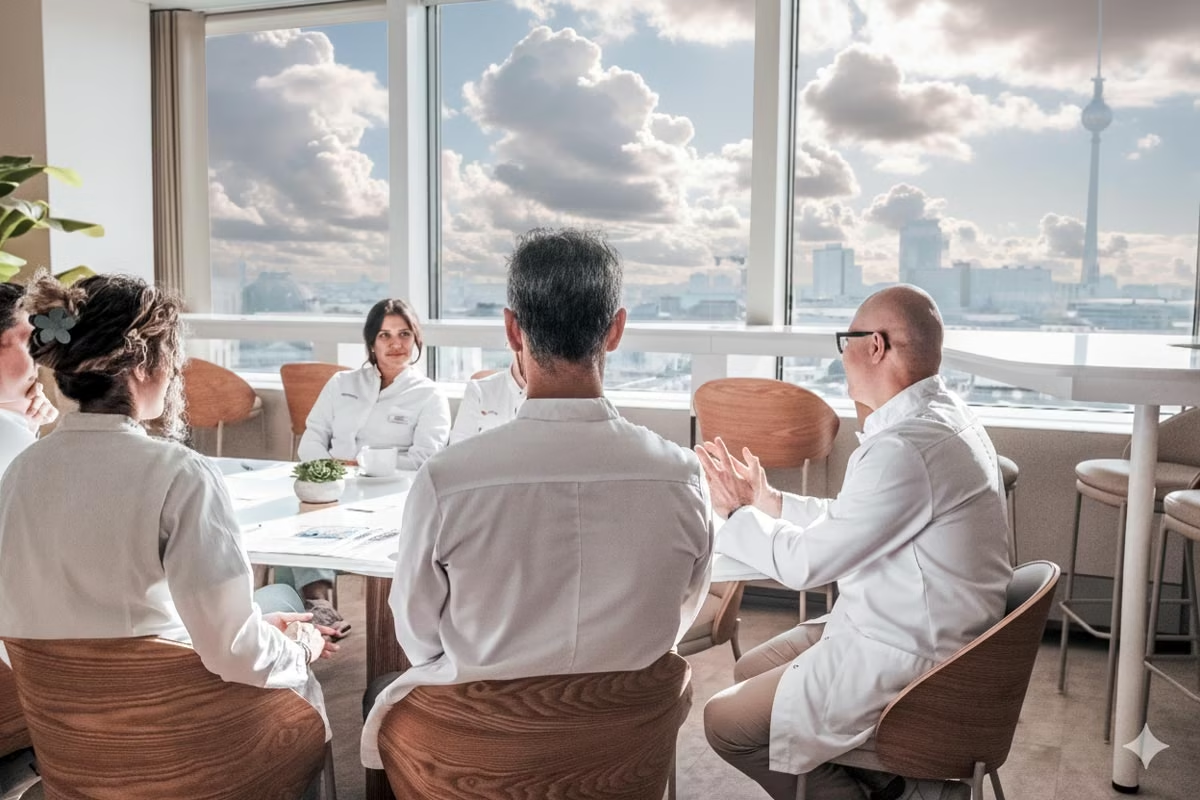
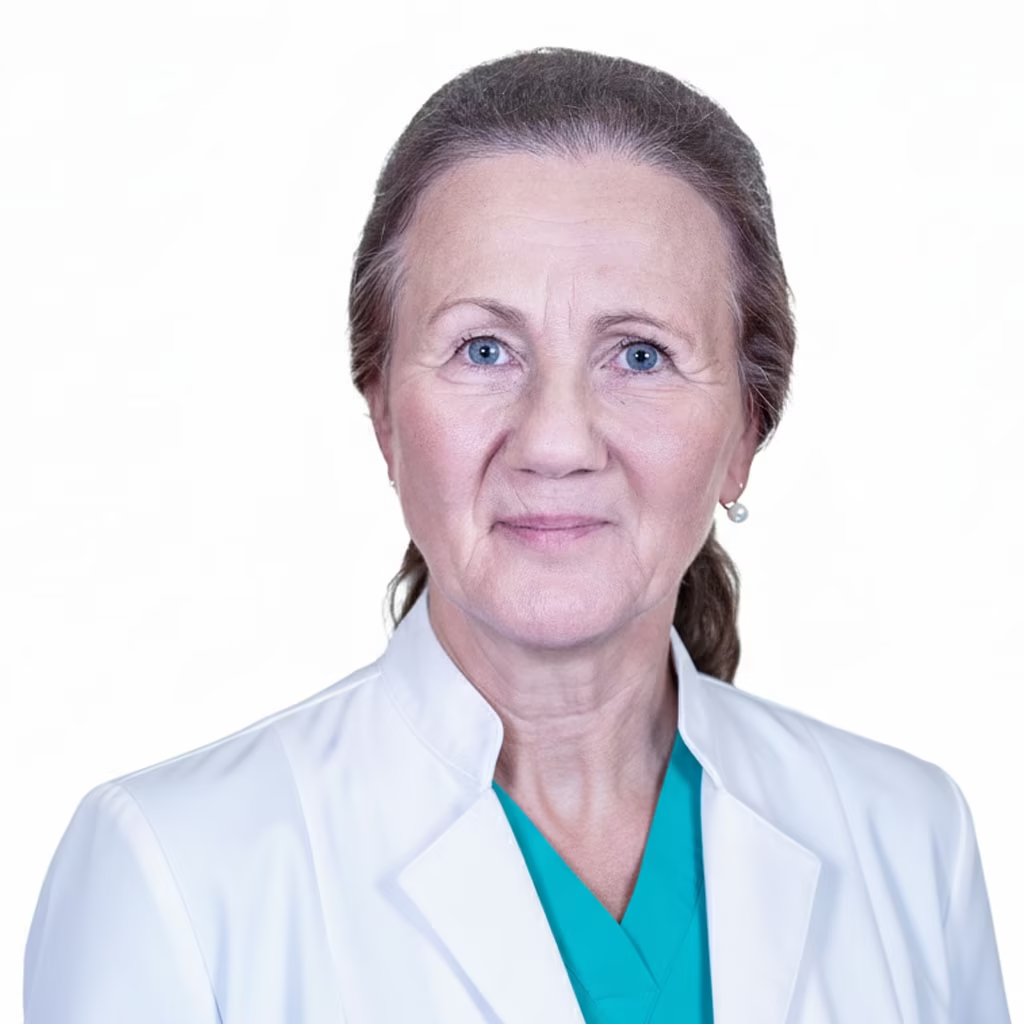
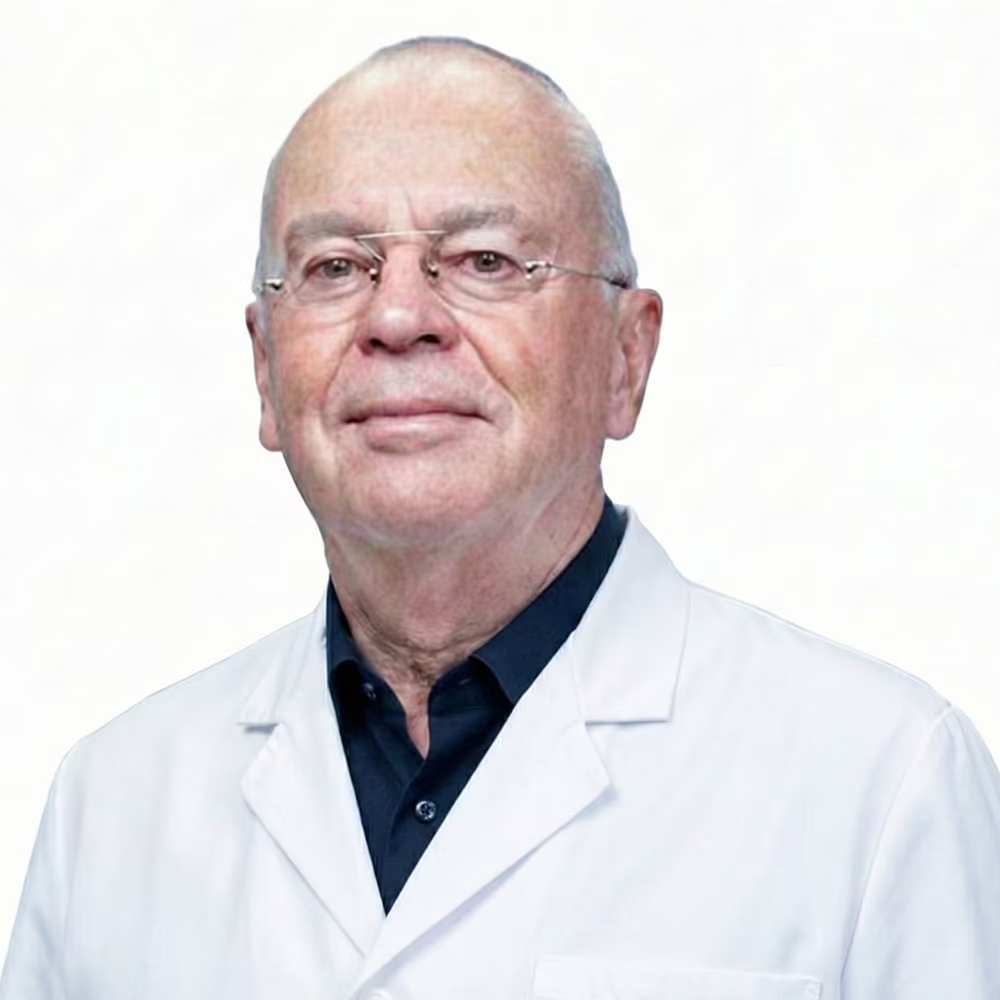
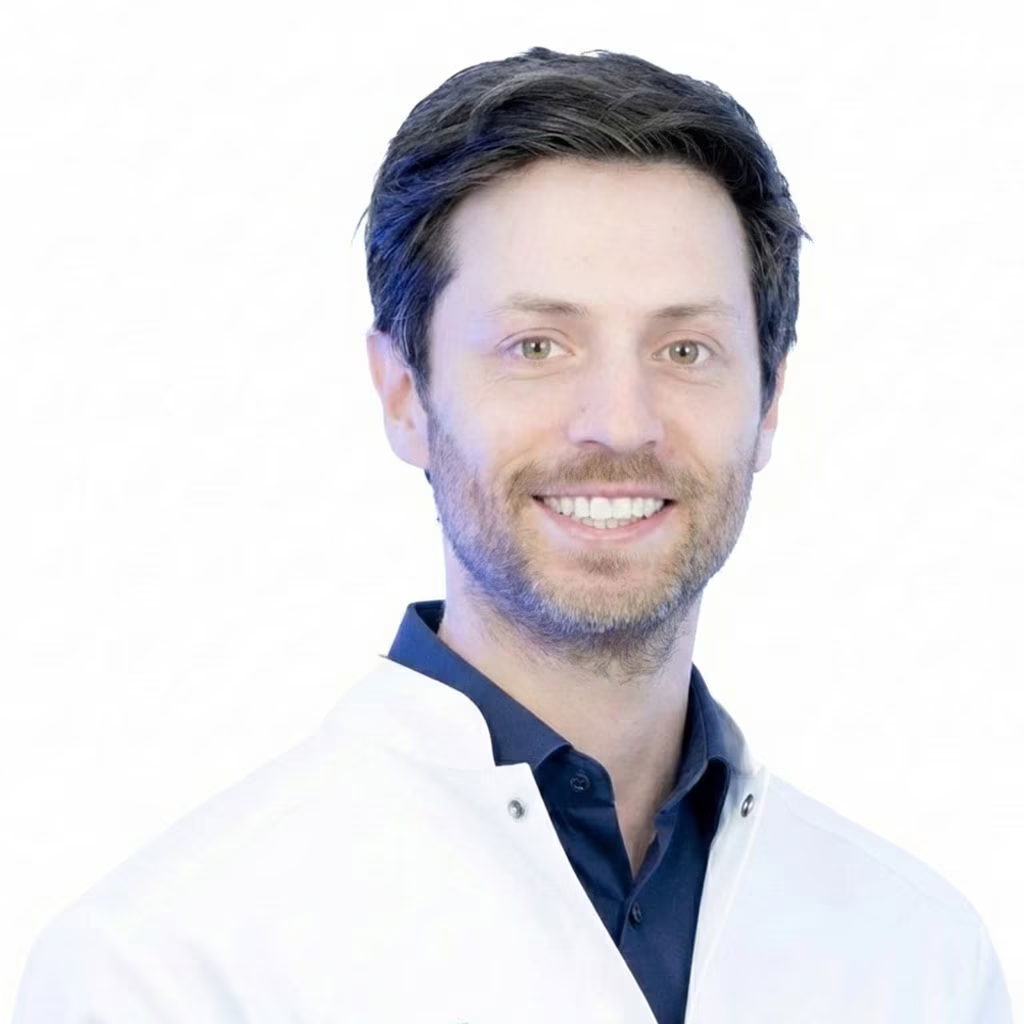
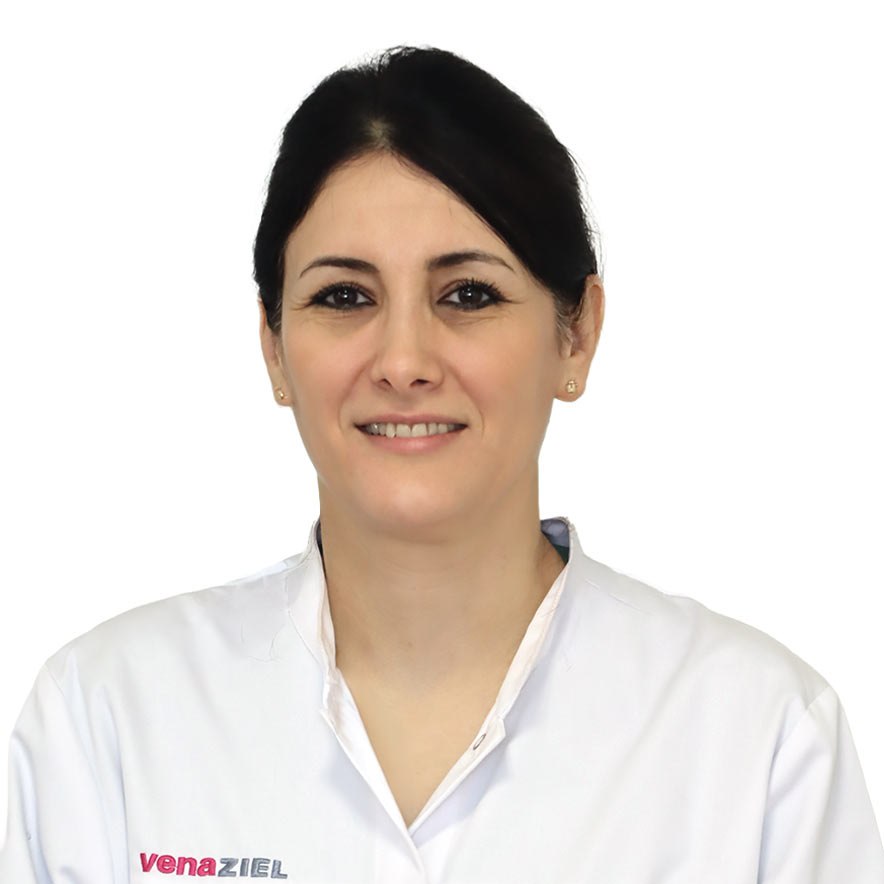
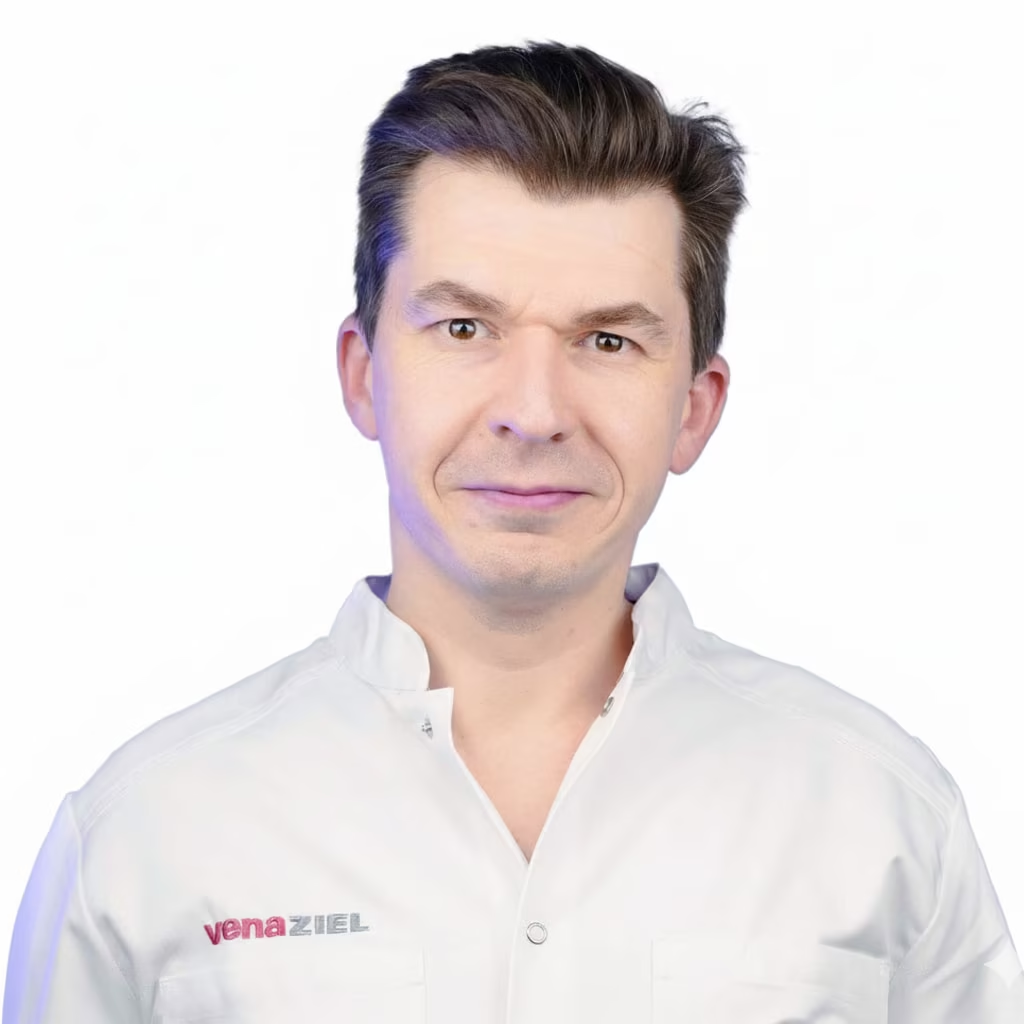
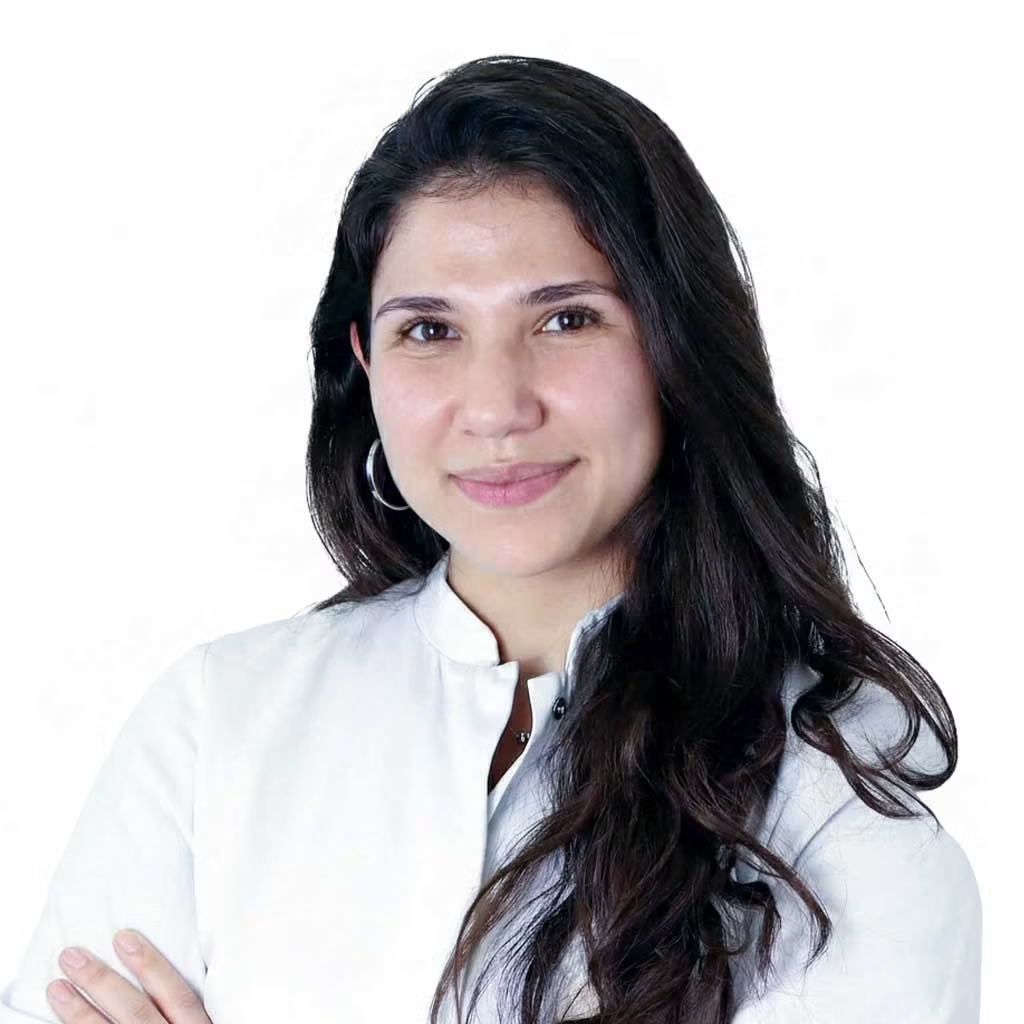
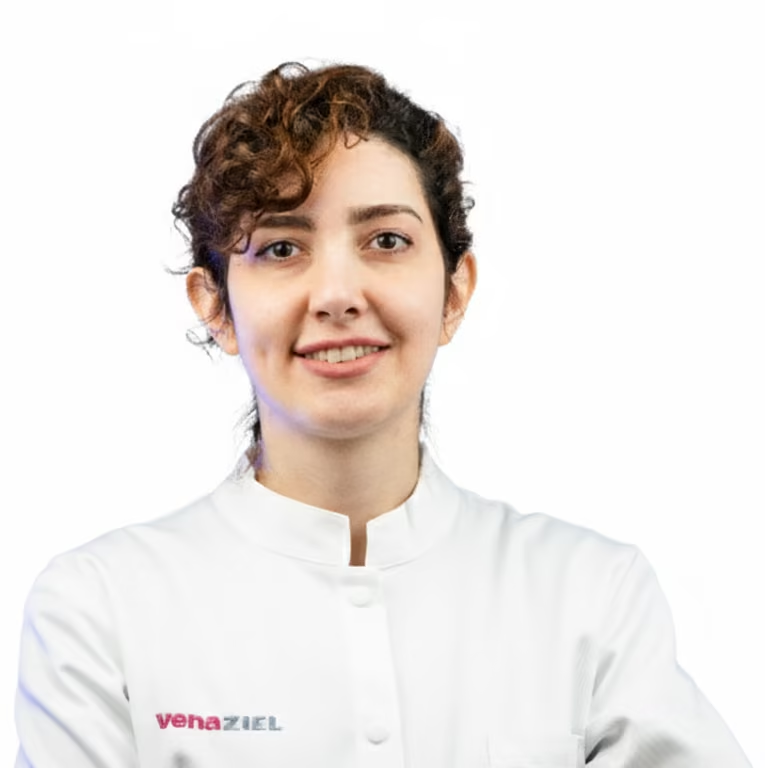
More than 30 doctors at eight locations—from vascular surgery and phlebology, visceral surgery and proctology, orthopedics, internal medicine, and general medicine.
Interdisciplinary
If your question touches on multiple specialties, our doctors coordinate with each other.
Time and calm
We take time for your questions and address your needs in a calm, pleasant atmosphere.
Multilingual
In addition to German, our doctors speak English, French, Russian, Persian, Arabic, and Turkish.
- 30+Doctors
- 8Locations
- 240,000+Patients per year
- 4Operating rooms
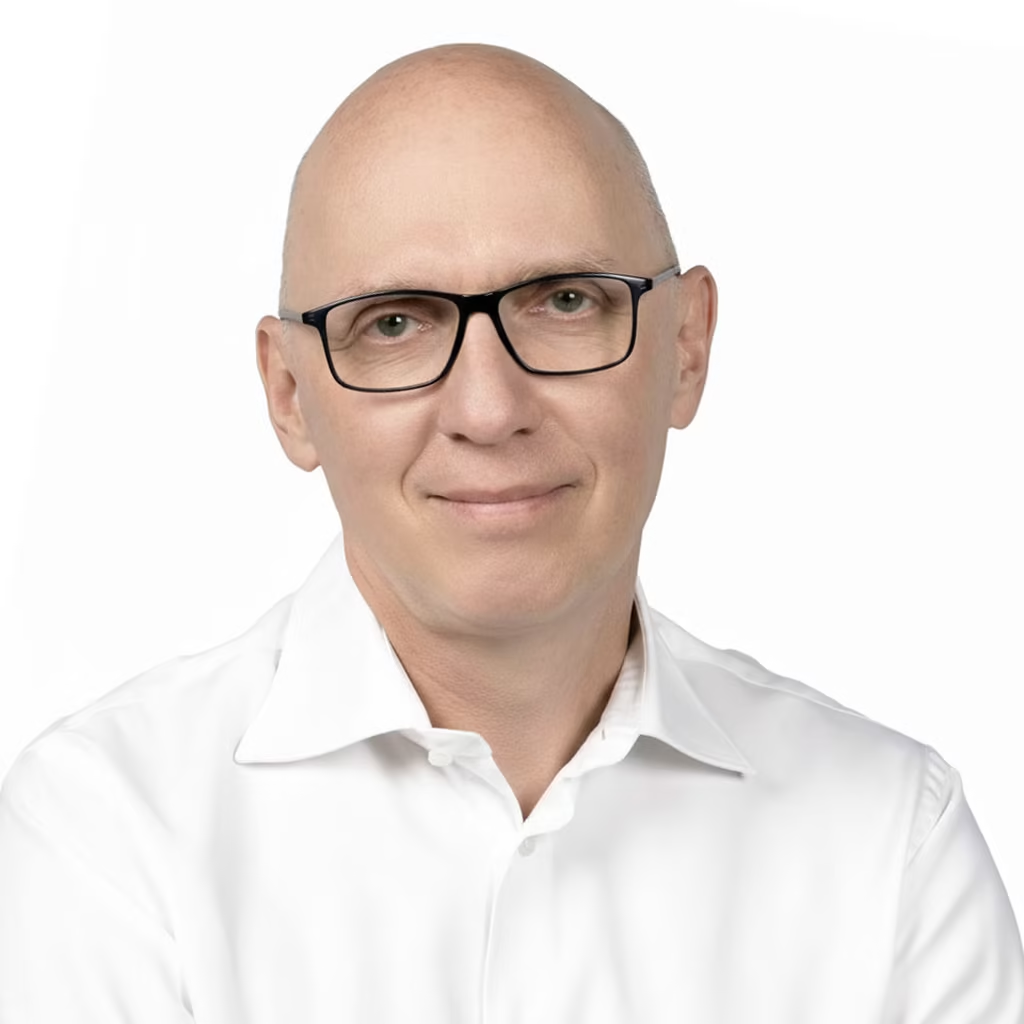
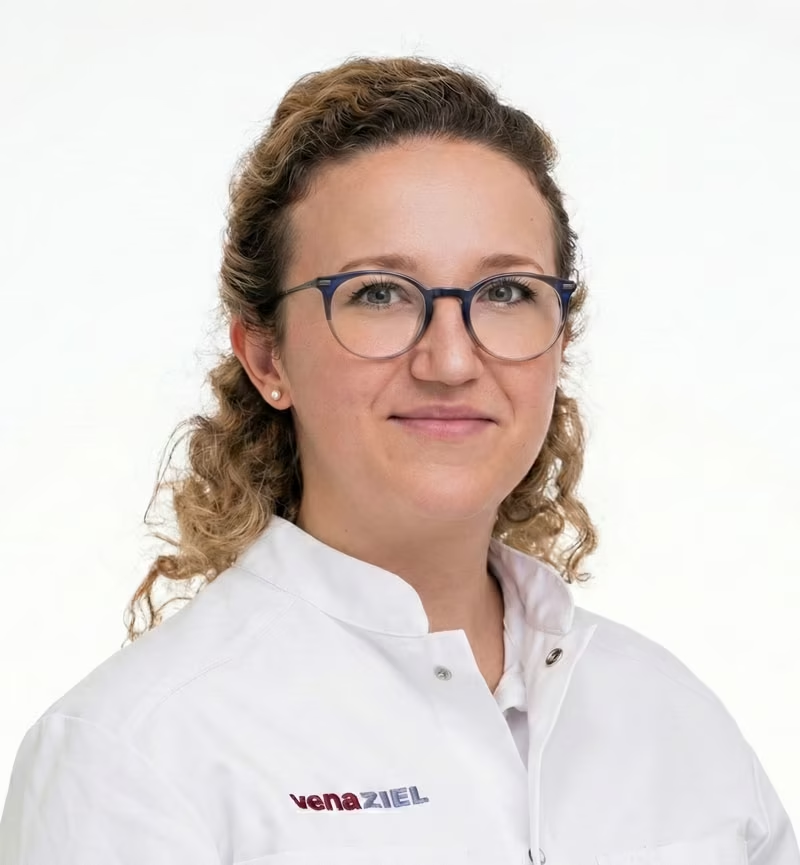
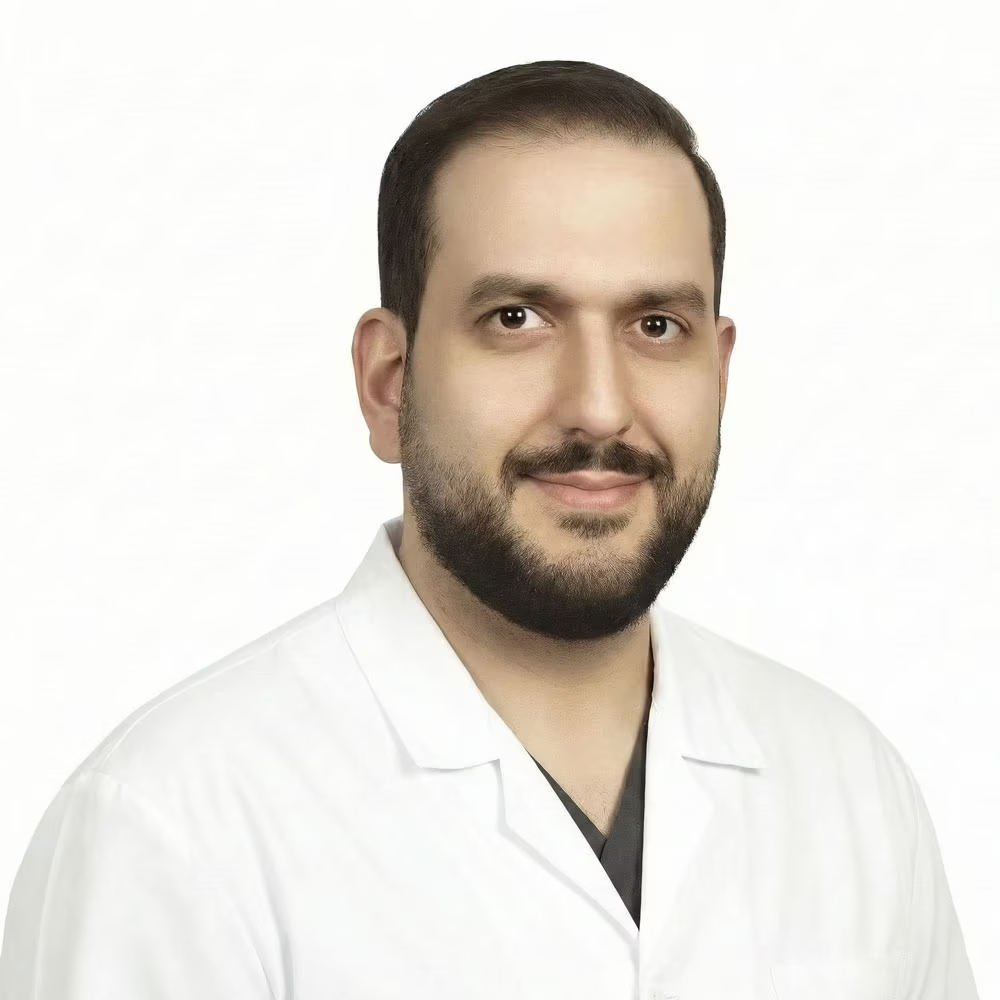
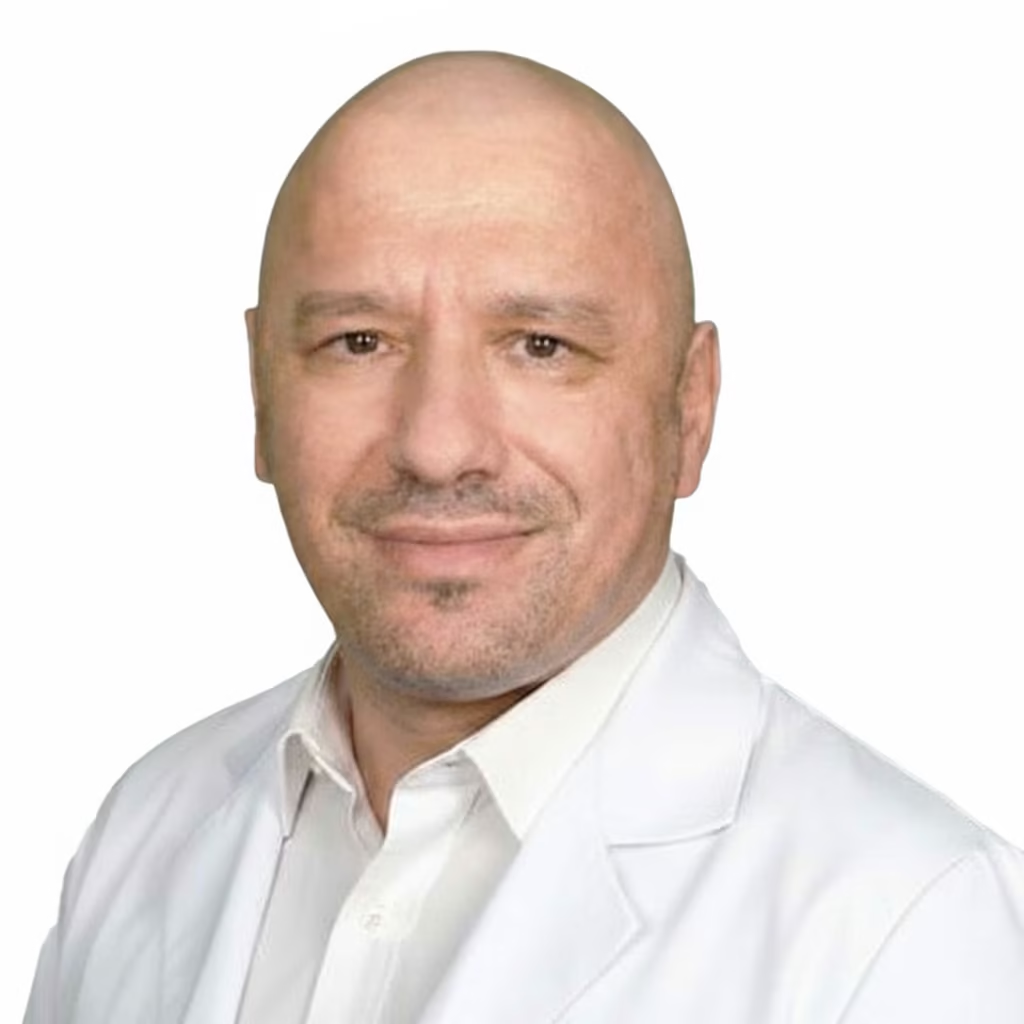
Leadership and team
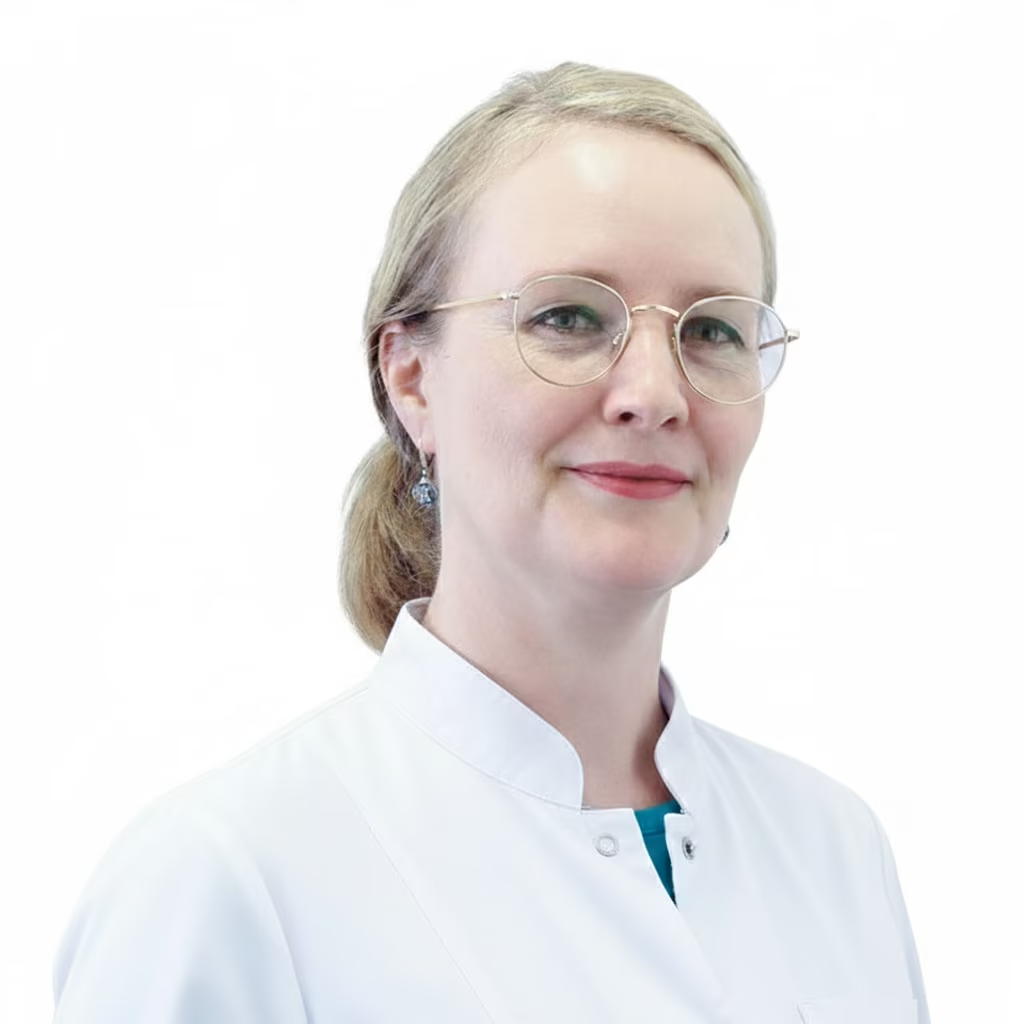
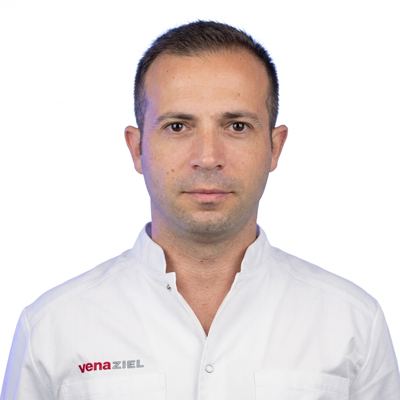
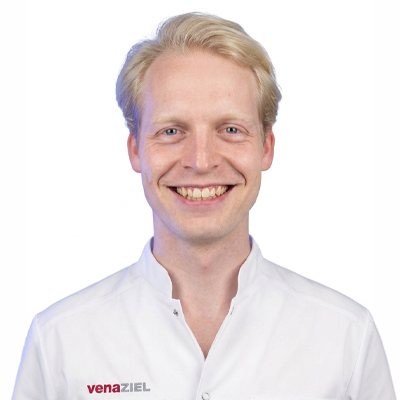
We introduce all doctors with their specialties, locations, and languages on the About us page.
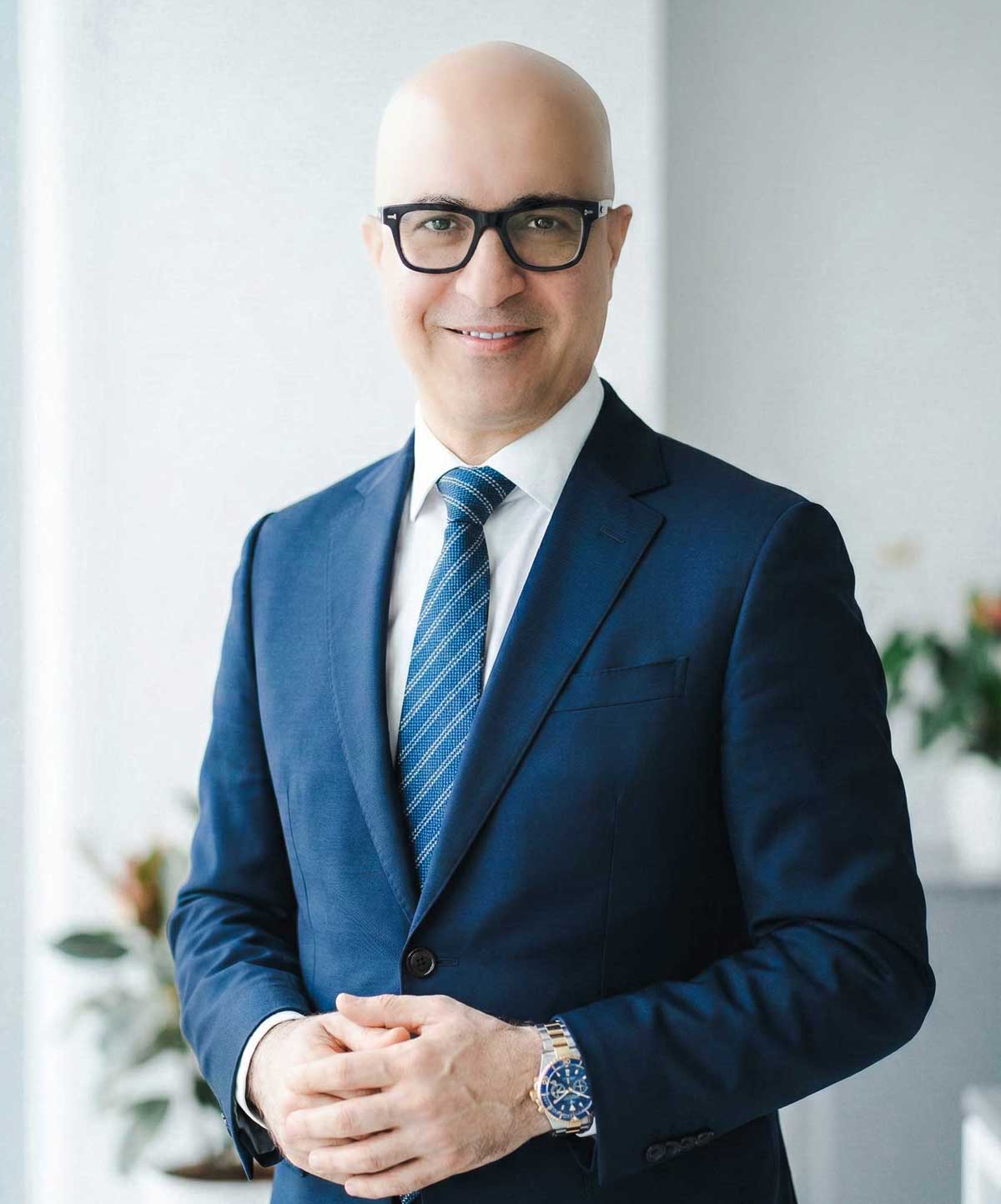
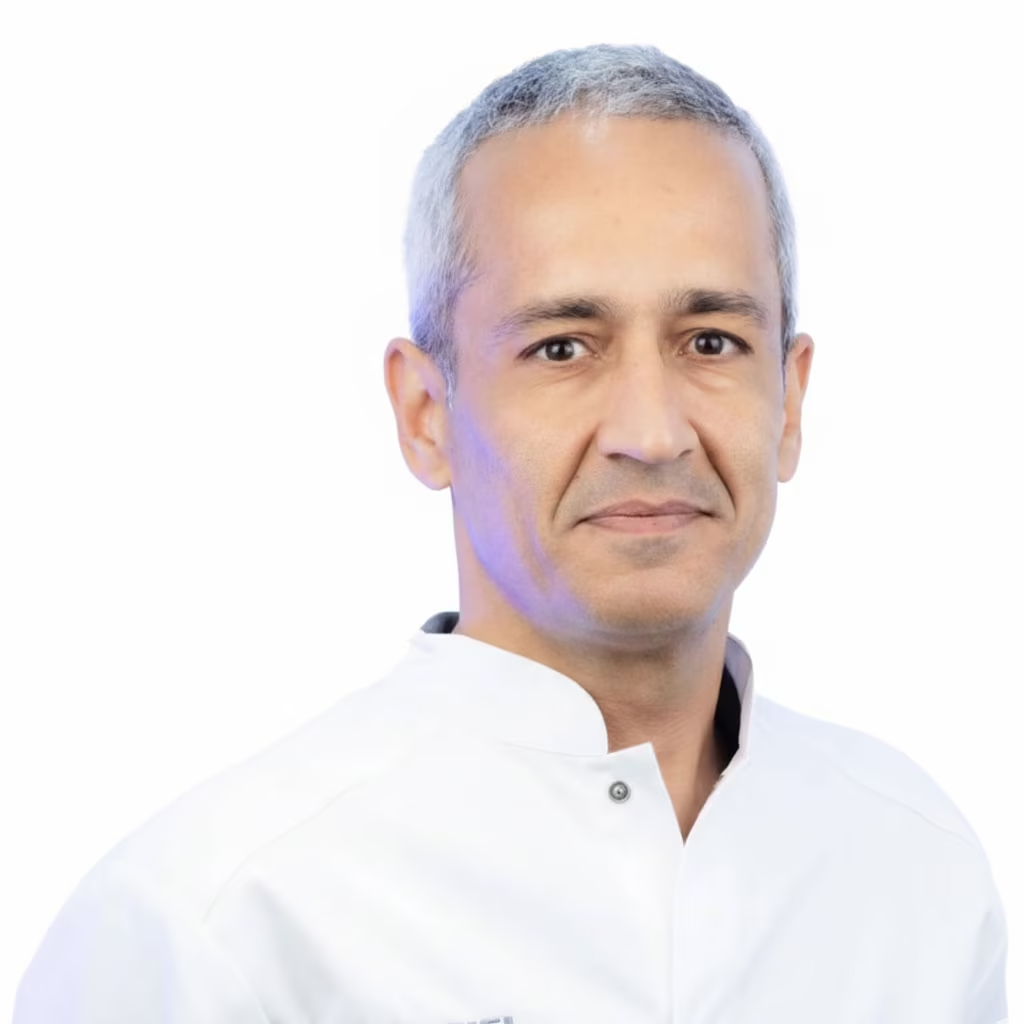
Dr. Hamidreza Mahoozi
FEBTS · FCCP · F.Z. Phlebology
Chief Physician · Management
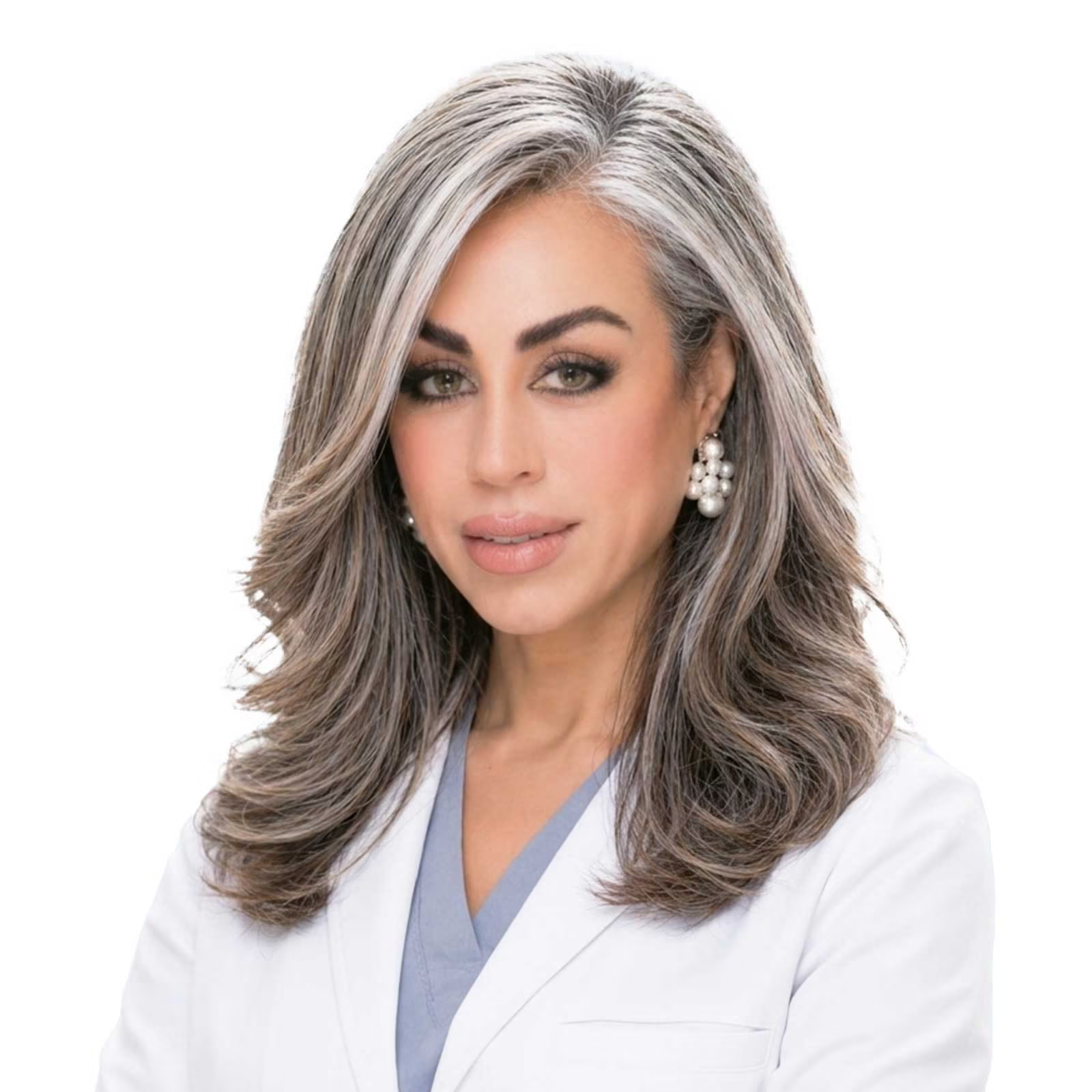
Specialist in General Surgery and Thoracic Surgery, additional qualifications in Phlebology, Lymphology, and Emergency Medicine. Friedrichstraße 95 · VenaZiel.

Locations and opening hours
Three locations with opening hours and online appointment booking—also by email, at your convenience, whenever it suits you. Plus the practices of BellaZiel and CuraZiel in Berlin.
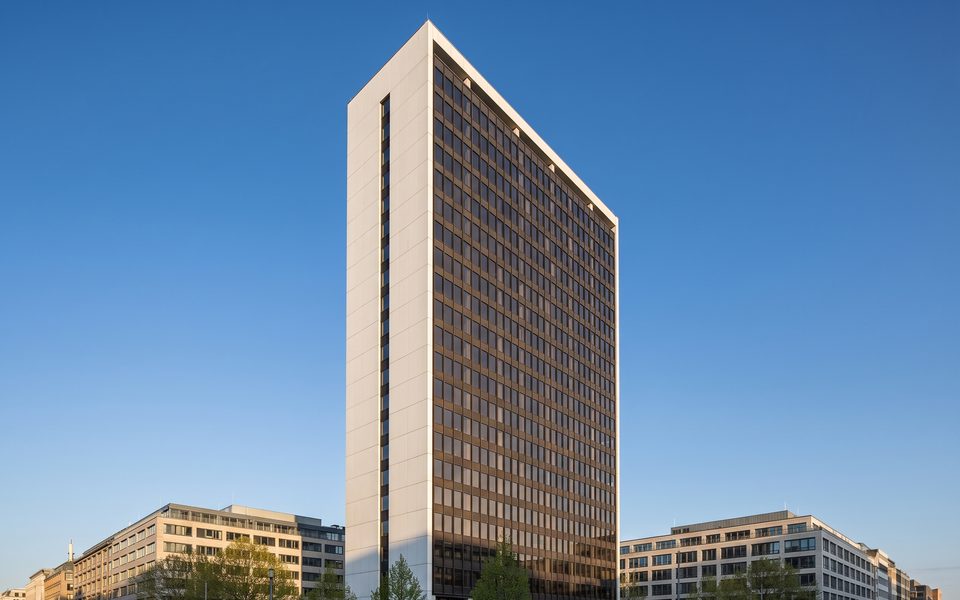
Vein Center · Thorax consultation
Friedrichstrasse 95
IHZ, 14th and 12th floor · 10117 Berlin-Mitte Plan route – Friedrichstraße 95- Mon–Thu
- 8:00 AM–4:30 PM
- Fri
- 8:00 AM–2:30 PM
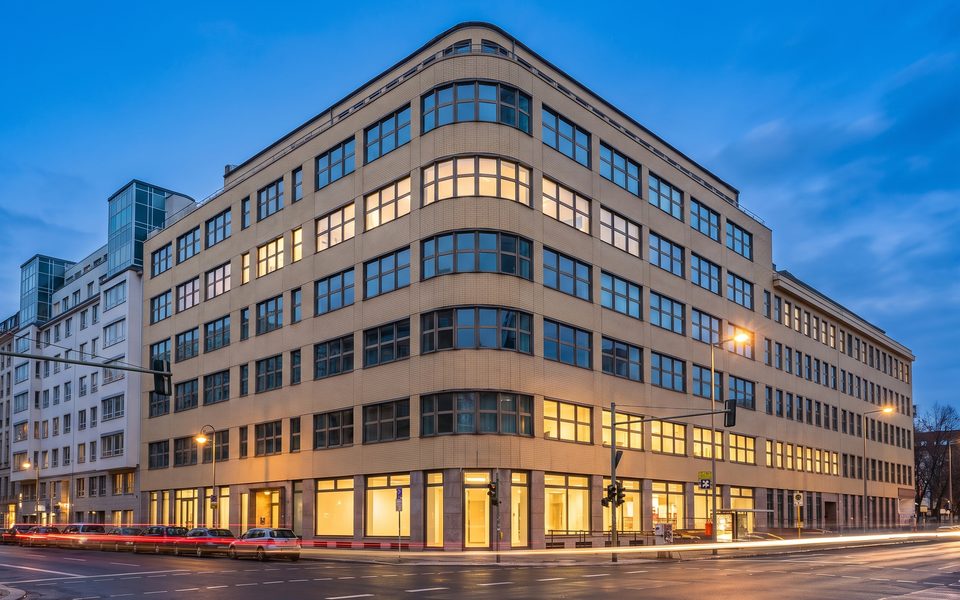
Hernias · Proctology · Lipedema · Orthopedics · Veins · Thorax operations
Charlottenstraße 13
Checkpoint Charlie, 4th floor · 10969 Berlin-Kreuzberg, on the border with Mitte Plan route – Charlottenstraße 13- Mon–Thu
- 8:00 AM–4:30 PM
- Fri
- 8:00 AM–2:30 PM
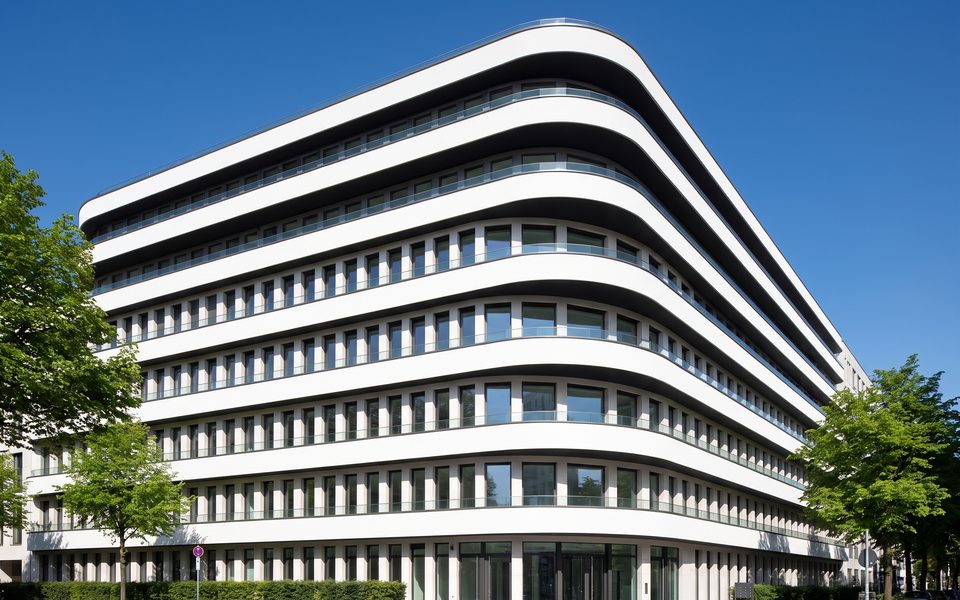
Frankfurt Vein Center
Bockenheimer Landstraße 33-35
5th floor · 60325 Frankfurt am Main Plan route – Frankfurt am Main- Mon – Fri
- 7:00 AM – 6:00 PM
Also in Berlin: BellaZiel and CuraZiel
Separate practices with separate appointment scheduling—details on each website.
- BellaTarget
Plastic Surgery · Vein Center
Marburger Straße 17
10789 Berlin - CuraTarget
General practice · General Medicine
Kaiserdamm 7, 1st floor
14057 Berlin - CuraTarget
General practice · General Medicine
Danziger Straße 141, ground floor
10407 Berlin
Reviews
What patients say
Two Google profiles, over 220 reviews. The quotes appear there verbatim, with the name shown by Google.
Vein Center · Friedrichstraße 95
“I have rarely felt so well cared for by a doctor or in a practice as here. …”
“I am thrilled with the entire treatment at VenaZiel. Everything was excellent and to my complete satisfaction. …”
Checkpoint Charlie · Charlottenstraße 13
“I am very satisfied with this practice. The entire team is extremely professional, friendly, and helpful. …”
“A very modern practice. The medical history form can be filled out very quickly on an iPad. …”
Knowledge Centers
One knowledge center per specialty—written clearly and reviewed by our doctors, so you come to the conversation well prepared.
Vein Center
Phlebology Knowledge Center
Venous medicine explained: from an introduction to phlebology through thrombosis and chronic venous insufficiency to VenaSeal treatment.
To the Knowledge Center Phlebology
Hernia Center
Hernia Knowledge Center
Inguinal, femoral, and abdominal wall hernias: when surgery is needed, how an operation proceeds, and what is important afterward.
- From the first pulling sensation to surgery: the journey of an inguinal hernia
- Does a hernia always require surgery?
- Is an inguinal hernia dangerous? Risks for men and women
- Minimally invasive treatment of femoral hernia

Proctology
Proctology Knowledge Center
A four-step guide—from the first symptoms through examination and treatment to the time afterward.
- What is proctology? What does a proctologist do?
- How do I prepare for a proctologic examination?
- Blood in stool: possible causes and their symptoms
- Chronic anal fissure—when is surgery the only option?
Contact us
Let’s talk about your question.
The quickest appointment can be found through Doctolib. If you prefer to write at your leisure, we are happy to respond by email.
Mon–Thu 8:00 AM–4:30 PM, Fri 8:00 AM–2:30 PM
Schedule appointment
Write email
We respond by email—so you have everything in writing.