Biliary Colic – What to Do? Symptoms, Cholecystitis, and Murphy’s Sign Explained
Biliary Colic – What to Do? First aid, warning signs of cholecystitis, and Murphy's sign: What affected individuals should know.
Medically tested by:
Dr. med. David Machó, Facharzt für Viszeralchirurgie
Updated:
October 30, 2026
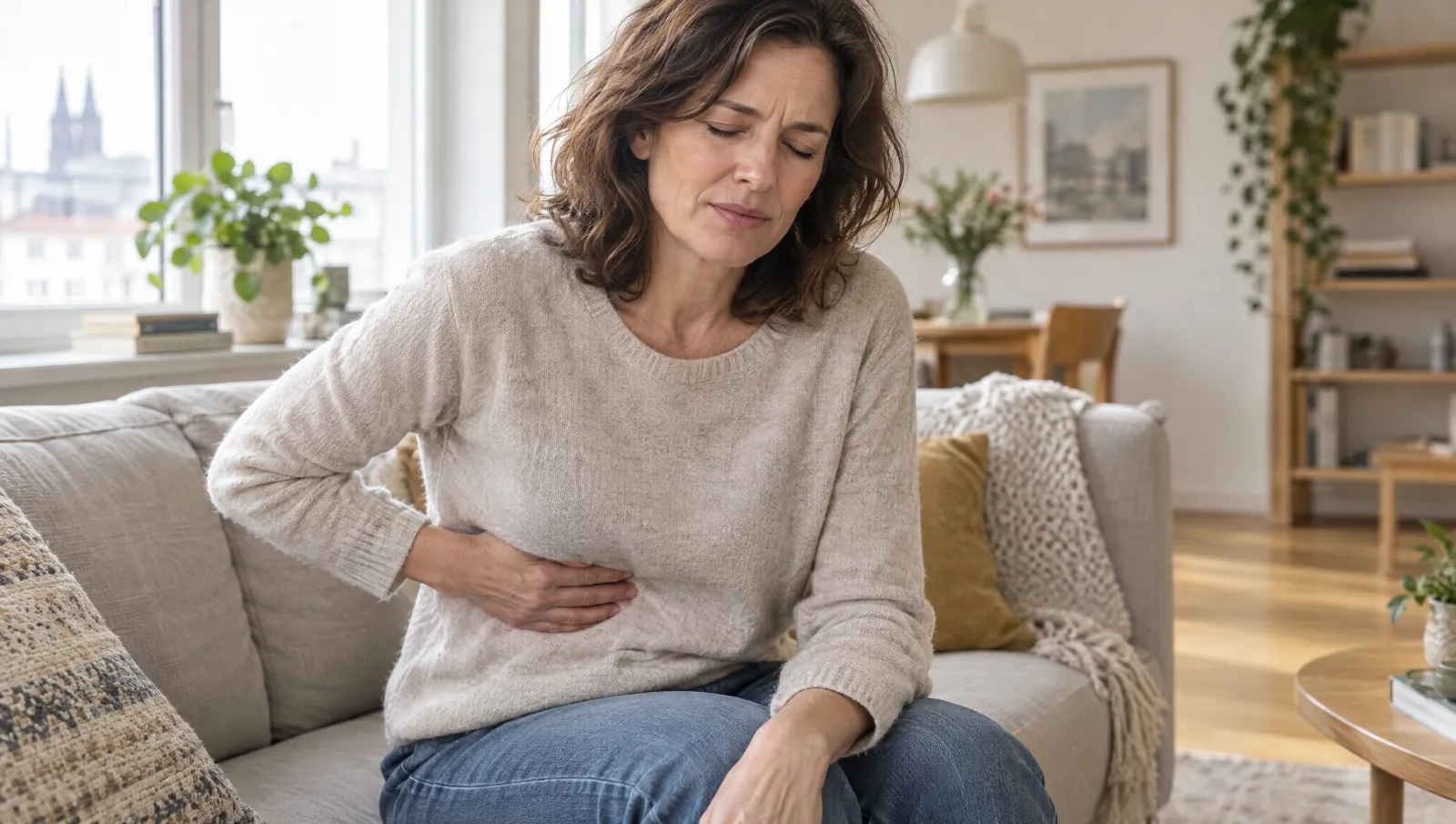
Sudden, cramp-like pain in the upper right abdomen, radiating to the back: What to do during biliary colic when the pain is almost unbearable? Gallbladder pain is among the most severe abdominal pains and usually results from gallstones blocking the flow of bile.
In this guide, you will learn what to do during biliary colic, how to recognize cholecystitis, and what the Murphy’s sign is all about. We also explain how the diagnosis is made and what treatment is standard today.
In brief:
- Biliary Colic – What to Do? Lie still, don’t eat, seek medical help. If the pain does not subside quickly, call emergency services (112).
- Warning Signs: Fever, chills, or yellow skin and eyes indicate inflammation or bile stasis and require immediate medical attention.
- Murphy’s Sign: Pain-induced cessation of breathing during palpation under the right costal arch – a typical indicator of cholecystitis.
- Treatment: Painkillers bridge the acute colic. For recurrent symptoms, the gallbladder is usually removed minimally invasively.
Read on to learn how to distinguish between colic and inflammation and when surgery is advisable.
Biliary Colic: Causes and Development
Biliary colic is a sudden, very severe, and cramp-like pain in the upper right abdomen. It is usually triggered by gallstones.
Gallstones form when components of bile crystallize in the gallbladder, forming solid, stone-like deposits. Such stones can block the outlet of the gallbladder or the bile duct, thereby obstructing the flow of bile. The gallbladder then contracts against this resistance – which causes extreme, wave-like pain that many affected individuals compare to labor pains.
Biliary colic often occurs after a rich, fatty meal because the gallbladder then secretes a particularly large amount of bile. Not every gallstone causes symptoms. Only when a stone obstructs the gallbladder outlet or the bile duct do the typical pain attacks occur.
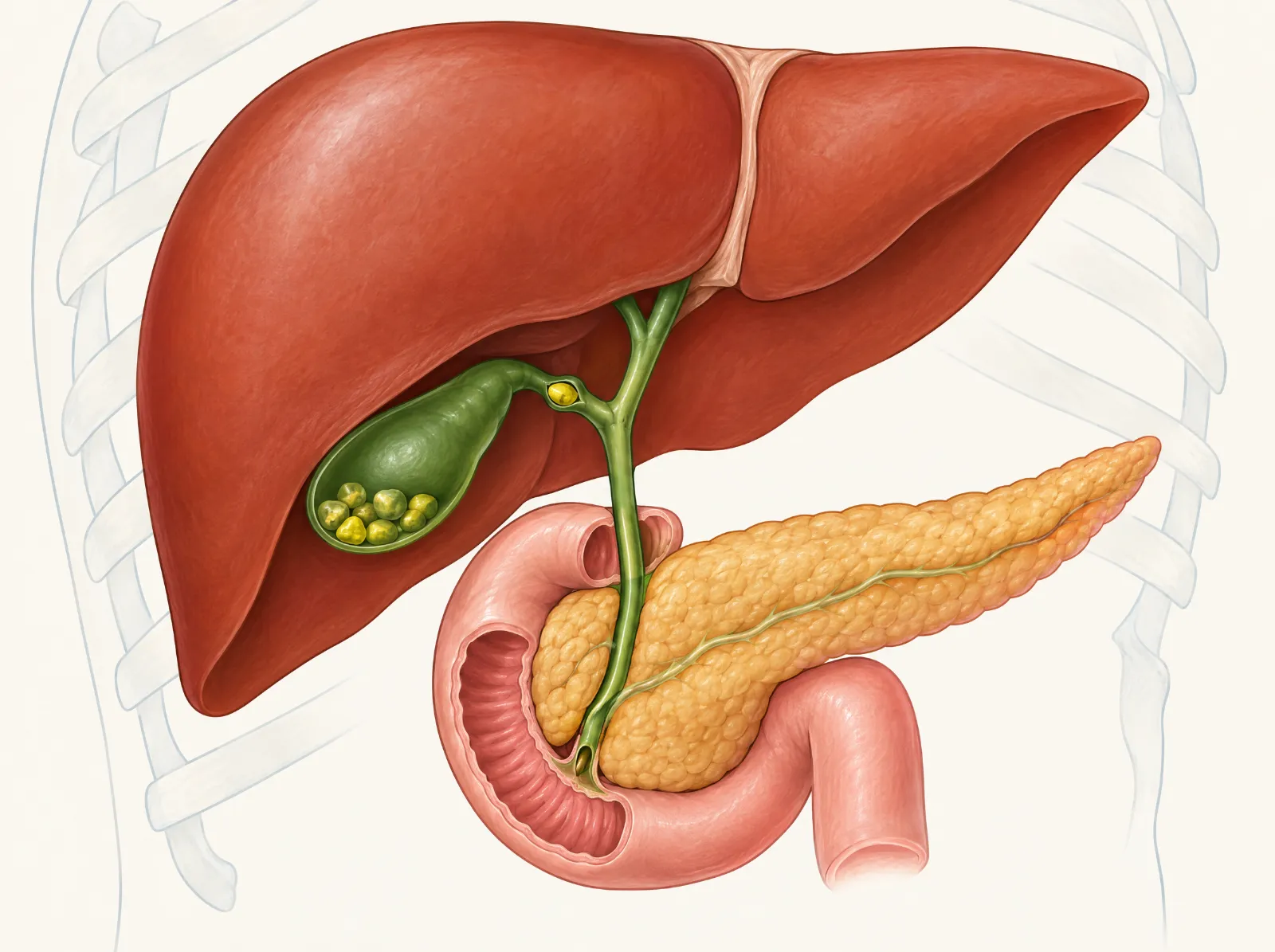
Anatomy: A gallstone in the gallbladder outlet blocks the flow of bile. Source: VenaZiel
Causes and risk factors
In most cases, gallstones are the cause of colic. Rarely, other factors play a role, such as gallbladder dysfunction or – very rarely – acute inflammation without stones (acalculous cholecystitis).
The risk of gallstones increases with a high-fat diet and obesity, but also with genetic predisposition and certain diseases. Women over 40 are particularly often affected. Doctors remember the typical risk factors with the well-known “5 F’s rule”, which is often supplemented by a sixth F:
- Female – female gender
- Forty – age over 40 years
- Fertile – fertile age (estrogens promote stone formation)
- Fat – obesity
- Fair – fair skin
- Family – family history (common addition)
Of course, people without these characteristics can also develop gallstones.
Biliary Colic Symptoms: Pain Radiating to the Back
The main symptom is a sudden, very severe pain in the upper right abdomen, often under the right costal arch. The pain often comes in waves and typically radiates to the back or right shoulder.
Many affected individuals also experience nausea and vomiting. Occasionally, sweating, bloating, or a feeling of fullness may occur.
Biliary colic usually lasts at least a few minutes and can, in unfavorable cases, persist for several hours before the pain slowly subsides. If the stone dislodges or moves further into the intestine, the symptoms often improve on their own. Nevertheless, you should take biliary colic seriously: it is not only very painful but can also progress to cholecystitis.
Biliary Colic – What to Do? First Aid and Self-Help
During biliary colic, many affected individuals find hardly any position in which the pain becomes more bearable. Most importantly: remain as calm as possible and promptly seek medical help.
If severe upper abdominal pain does not subside within a short time, it is best to see a doctor or call emergency services (112). This is especially true if fever, chills, or yellowing of the skin also occur.
Until medical help arrives, some measures can alleviate the pain somewhat:
- Apply warmth: A hot water bottle or a warm abdominal compress on the upper right abdomen can have an antispasmodic effect. The warmth somewhat relaxes the cramped gallbladder muscles. Ensure a comfortable temperature to avoid burns. In case of fever or suspected inflammation, avoid warmth and seek immediate medical examination.
- Rest and quiet: Lie down and breathe as calmly as possible. Exertion can intensify the pain – avoid movement as much as possible.
- Do not eat or drink: During acute colic, doctors often advise refraining from food and liquids for the time being. Fatty foods, sugary drinks, coffee, and alcohol further stimulate the gallbladder. An empty stomach relieves it.
- Relieving posture: Some affected individuals find it helpful to lean slightly forward while sitting or to lie on their side with knees drawn up. This can somewhat reduce pressure on the gallbladder.
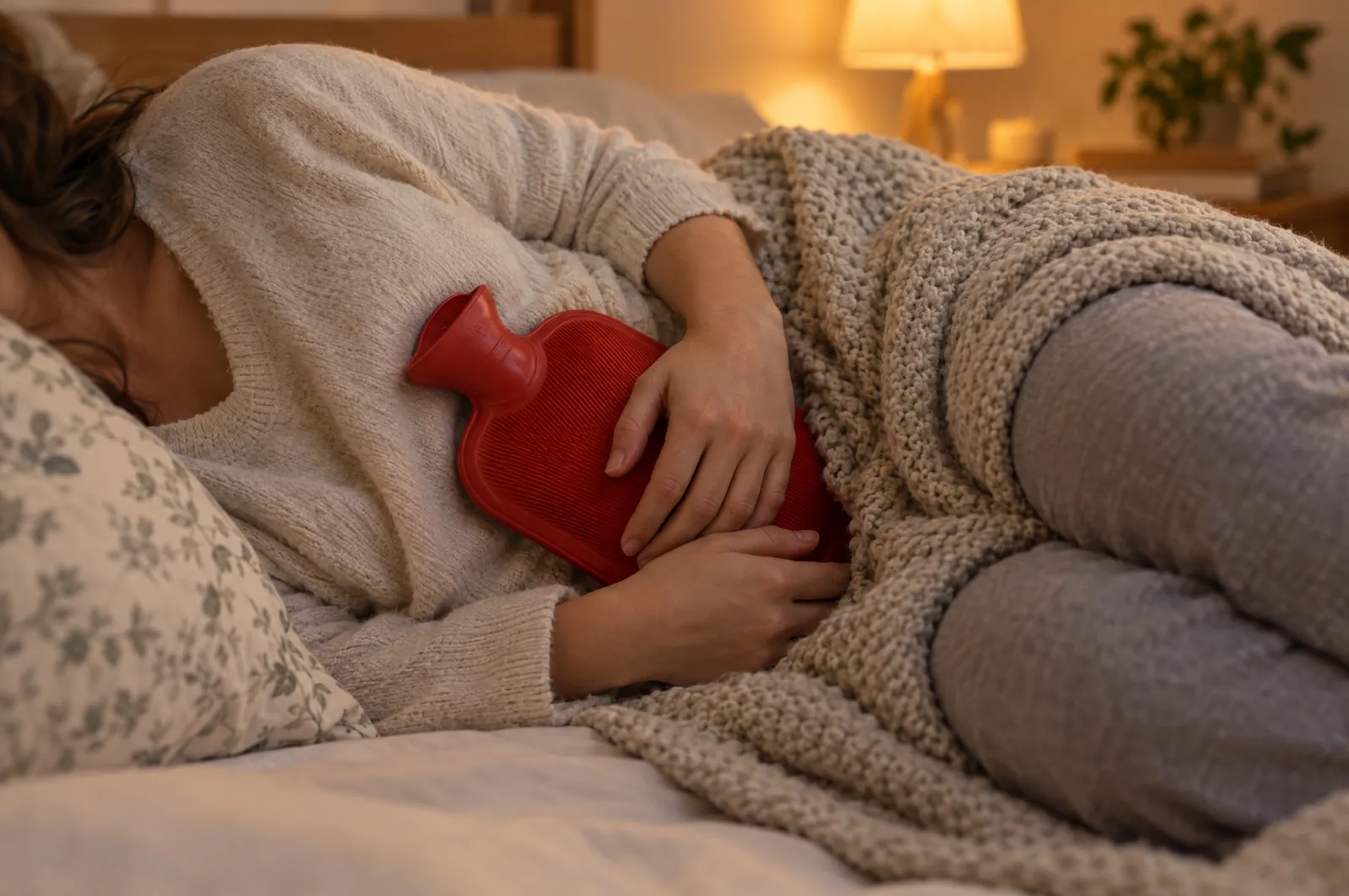
Self-help: Warmth can have an antispasmodic effect in uncomplicated biliary colic – not with fever. Symbolic image (AI-generated) · Source: VenaZiel
These measures bridge the time until medical treatment – but they do not replace it. Especially a first biliary colic should always be medically clarified. Even if the pain subsides, it often returns and can cause complications.
Cholecystitis: Recognizing Symptoms
Cholecystitis (medically cholecystitis) usually develops as a result of gallstones. If a stone gets stuck and prevents bile flow, the congested bile in the gallbladder can become inflamed – often with bacterial involvement.
In over 90% of cases, a gallstone is the cause of acute cholecystitis. Less commonly, injuries, tumors, or prolonged fasting trigger inflammation.
The difference from biliary colic: In colic, pain is the primary symptom. In cholecystitis, the gallbladder is inflamed and often infected – a potentially dangerous situation that requires prompt treatment.
Typical Symptoms of Cholecystitis
Initially, the same signs as with biliary colic often appear, i.e., cramp-like upper abdominal pain. If fever (often over 38 °C) and possibly chills are added, inflammation is likely.
Typical signs then include:
- a persistent dull or stabbing pain in the upper right abdomen that does not subside even at rest
- a hard, tense abdominal wall over the gallbladder (guarding); any pressure there is very painful
- shallow breathing and a protective posture because deep inhalation intensifies the pain
- nausea, vomiting, and a pronounced feeling of illness
- occasionally yellowing of the skin or eyes (icterus, “jaundice”) – rather rare and usually a sign that a stone is stuck in the main bile duct
Acute cholecystitis is a serious condition that requires medical supervision.
When to See a Doctor?
At the latest, if fever or a severe feeling of illness accompanies gallbladder pain, you should seek immediate medical help.
Untreated cholecystitis can lead to complications – such as an abscess or a rupture (perforation) of the gallbladder, which triggers dangerous peritonitis. Such complications are rare because surgery is usually performed early.
Therefore, always have severe, persistent upper abdominal pain medically clarified. This also helps to rule out other serious causes, such as a heart attack or pancreatitis.
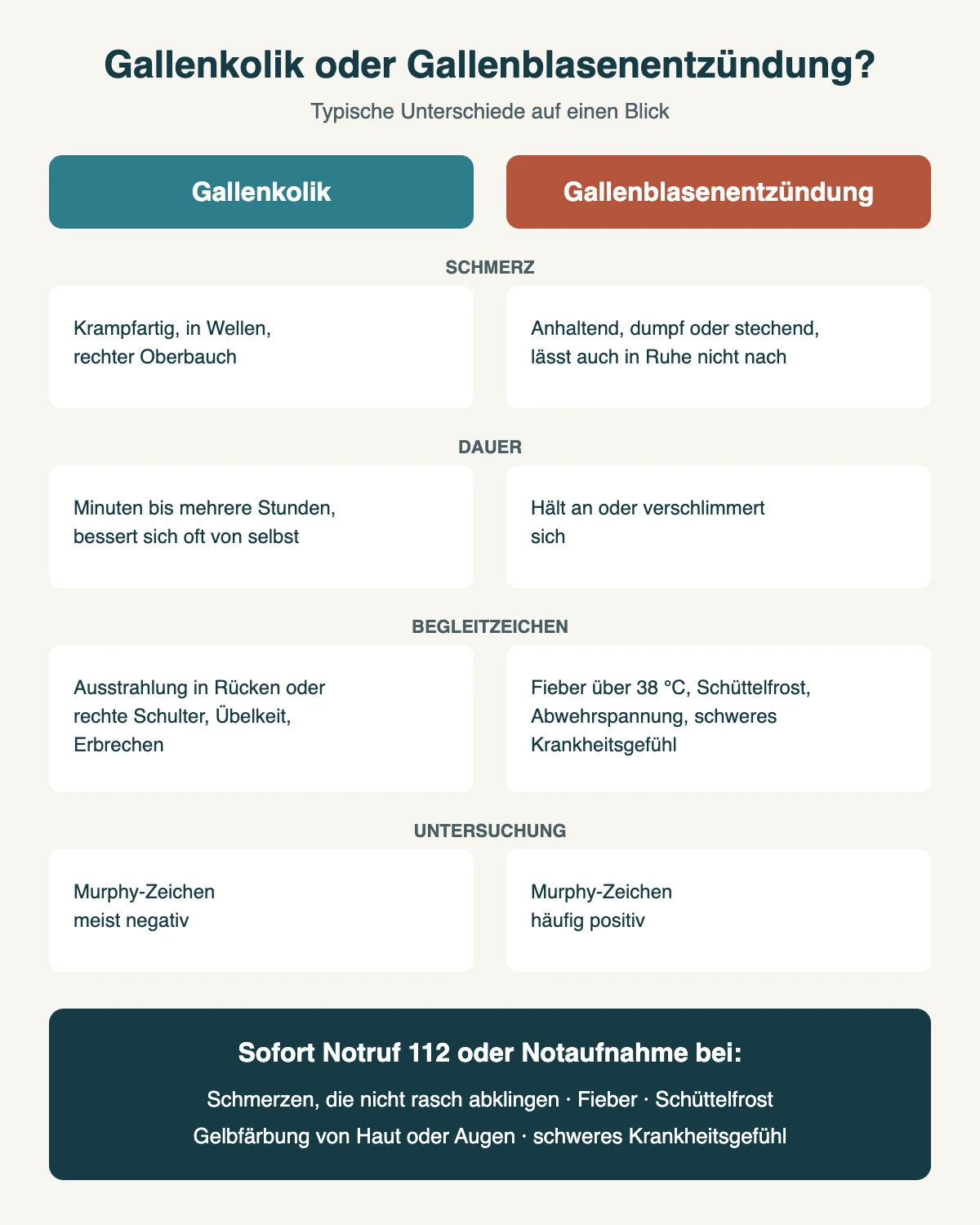
Overview: Biliary Colic or Cholecystitis – Differences and Warning Signs. Source: VenaZiel
Murphy’s Sign: Key Symptom of Cholecystitis
The Murphy’s sign is an important clinical finding that indicates acute cholecystitis. It is named after the American surgeon John B. Murphy.
What exactly is Murphy’s sign? During a physical examination, the doctor palpates the upper right abdomen below the costal arch while you take a deep breath. During deep inhalation, the diaphragm descends and pushes the liver and gallbladder downwards – towards the examiner’s fingers.
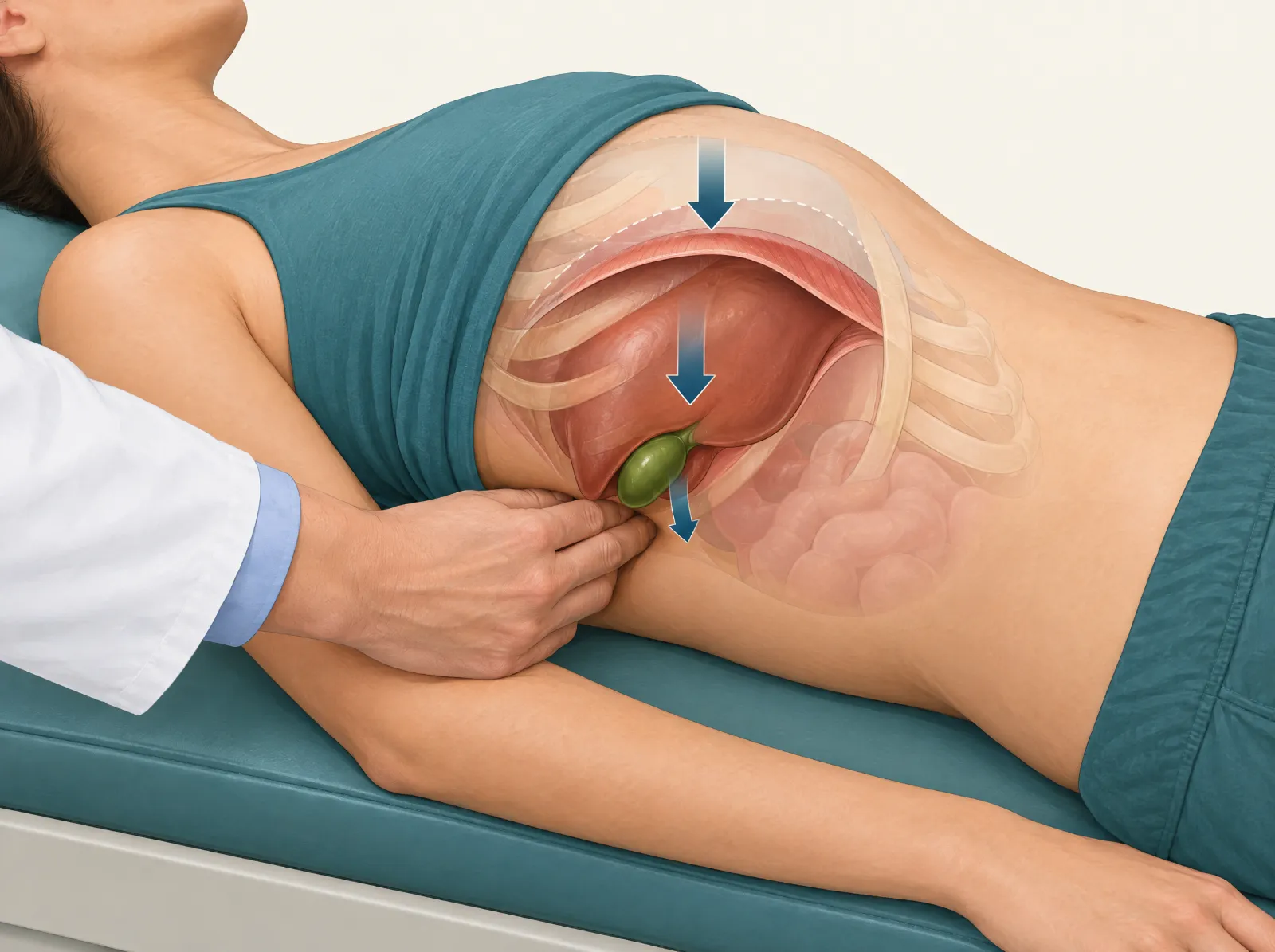
Examination: How the doctor checks for Murphy’s sign under the right costal arch. Source: VenaZiel
Positive Murphy’s Sign
If the gallbladder is inflamed, pressure at this point triggers a sudden, stabbing pain as soon as the gallbladder slides under the fingers. The patient then reflexively holds their breath and cannot inhale further. This pain-induced cessation of inhalation is called a positive Murphy’s sign.
A positive Murphy’s sign is considered a characteristic cardinal symptom of acute cholecystitis. In other causes of right-sided upper abdominal pain – such as kidney problems or biliary duct colic without inflammation – it usually cannot be elicited. Affected individuals can continue to inhale despite pressure because the gallbladder is not overly tender.
The Sonographic Murphy’s Sign
In practice, the doctor often checks for Murphy’s sign during an ultrasound examination. As soon as the gallbladder is visible in the image, they deliberately press on it with the transducer and observe whether the patient flinches due to pain or stops breathing. This sonographic Murphy’s sign is more targeted because the examiner is sure to hit the correct spot.
Together with the described symptoms, a positive Murphy’s sign provides a strong indication of cholecystitis. However, a negative Murphy’s sign does not reliably rule out inflammation – especially in older people.
Diagnostics: How are Gallstones and Cholecystitis Diagnosed?
The diagnosis relies on several complementary components.
Anamnesis and Physical Examination
First, the doctor will ask in detail about your symptoms: pain character, duration, triggers, and accompanying symptoms. Severe, cramp-like pain in the upper right abdomen radiating to the shoulder or back, and possibly nausea, already suggest biliary colic.
During the examination, the doctor checks for tenderness in the upper right abdomen and tests for Murphy’s sign. If clear tenderness with cessation of breathing can be elicited, the suspicion of cholecystitis is strengthened.
Blood Test
In acute inflammation, blood tests often show elevated inflammatory markers – especially an increased number of white blood cells (leukocytosis) and an increase in C-reactive protein (CRP).
If a stone is stuck in the main bile duct, liver and bile values may be elevated (e.g., bilirubin, γ-GT, alkaline phosphatase, GOT/GPT). Lipase indicates whether the pancreas is also affected. In uncomplicated biliary colic without inflammation, inflammatory markers are usually normal.
Ultrasound (Sonography)
Abdominal ultrasound is the most important and first imaging procedure for suspected gallstones or cholecystitis. Gallstones in the gallbladder or bile ducts can usually be reliably detected with it.
A thickened gallbladder wall, fluid around the gallbladder, or signs of bile stasis are also visible on ultrasound – such findings suggest inflammation. The liver and pancreas are assessed simultaneously to rule out other causes.
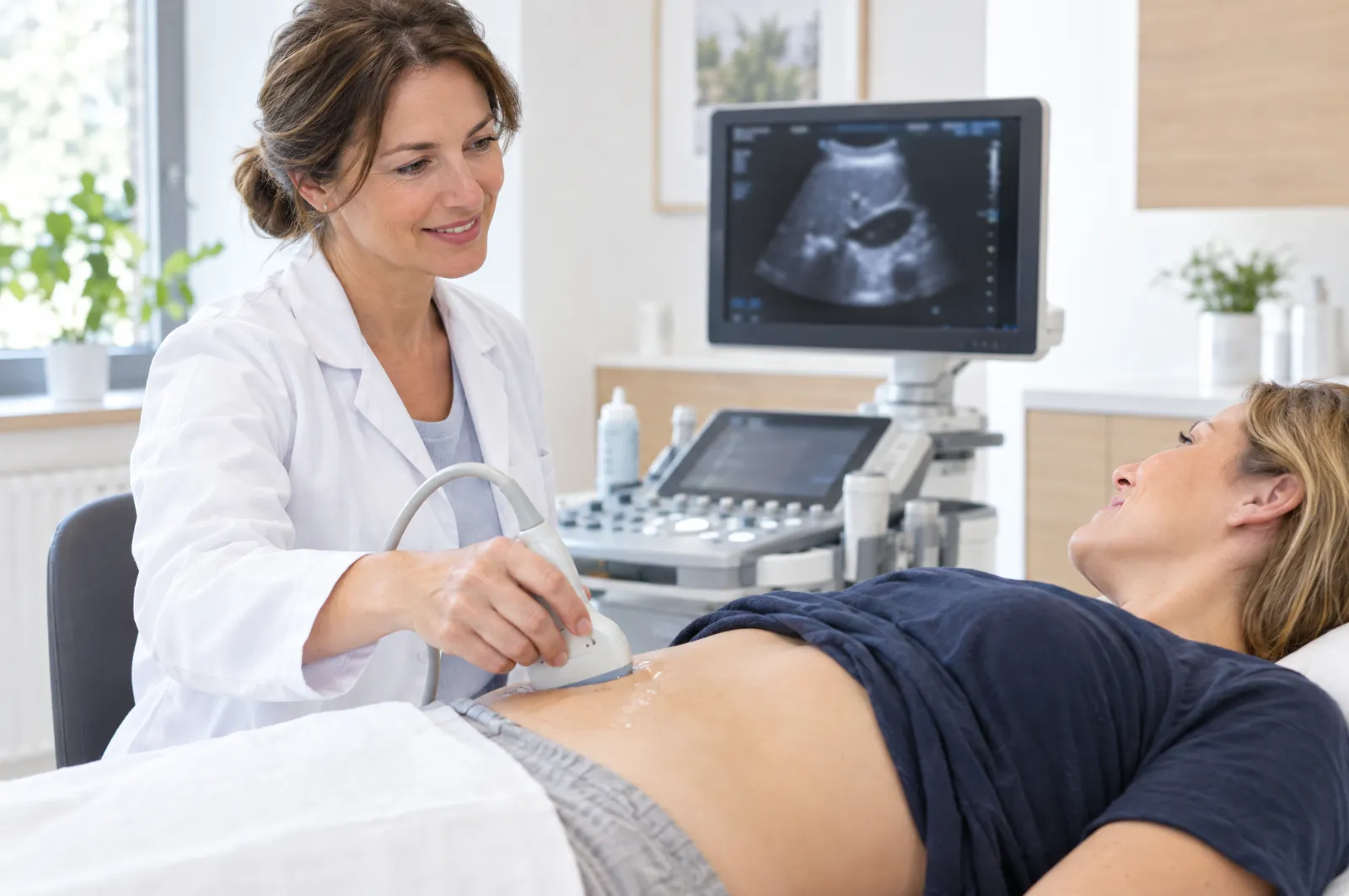
Routine examination: Ultrasound of the upper abdomen for suspected gallstones. Symbolic image (AI-generated) · Source: VenaZiel
Further Imaging
In unclear cases or when complications are suspected, a computed tomography (CT) may follow. It provides detailed cross-sectional images and can, for example, visualize a gallbladder rupture or abscesses.
Sometimes MRCP is used – a special MRI examination of the bile ducts, which can detect stones in the bile duct. ERCP (endoscopic retrograde cholangiopancreatography) combines endoscopy with X-ray contrast medium. It serves both diagnostic and therapeutic purposes, as stones can be removed from the bile duct through it.
Summary
Usually, the combination of typical symptoms, a positive Murphy’s sign, and ultrasound findings (stone detection, inflammatory changes) is sufficient to confirm the diagnosis. In case of doubt, further procedures are available.
It is always important to rule out other causes. Therefore, the doctor also assesses the heart (to rule out a heart attack) and palpates the entire upper abdomen.
Treatment: From Biliary Colic to Gallbladder Surgery
Treatment depends on whether it is “only” biliary colic or already cholecystitis. Generally, for symptoms caused by gallstones, gallbladder removal is often the most effective solution to prevent further colics and complications.
Acute Treatment of Biliary Colic
In acute cases, pain relief is the top priority. The doctor usually administers anti-inflammatory painkillers, supplemented by antispasmodics if necessary, and stronger painkillers for very severe pain. The colic often subsides within a relatively short time – for example, because the stone slides back into the gallbladder or moves further.
If a stone remains stuck in the main bile duct or causes jaundice, it can be removed via ERCP. The sphincter muscle at the opening of the bile duct is usually slightly incised (papillotomy). The procedure is performed without an abdominal incision, usually under twilight sleep (sedation). If fever or signs of inflammation are present, an antibiotic is also given. Once acute pain is under control, further action is decided.
When the Gallbladder Should Be Removed
After a resolved biliary colic or for recurrent symptoms, the recommendation is often to surgically remove the gallbladder (cholecystectomy). Without a gallbladder, no new stones can form there. This significantly reduces the risk of recurrent colics and complications.
In acute cholecystitis, surgery is usually urgent. The German S3 guideline on gallstones recommends early gallbladder removal – preferably within 24 hours of hospital admission. In certain situations, such as high surgical risk, it may be advisable to initially treat conservatively – with antibiotics and bile drainage – and perform the surgery after a few weeks. The exact timing is determined individually by the surgeon.
How the Gallbladder is Removed Today
Today, the gallbladder is predominantly removed laparoscopically, i.e., using keyhole surgery and under general anesthesia. Through a few small incisions, the surgeon inserts a camera and fine instruments and removes the gallbladder along with the stones. Small scars, less pain after surgery, and faster recovery are the main advantages over open abdominal surgery, which is only necessary in complicated cases.
Most people live without a gallbladder without restrictions: the bile then flows directly from the liver into the intestine. We explain in detail how the operation proceeds, how long you should rest, and which costs your insurance covers on our page about Gallstone Surgery in Berlin.
Conclusion: Take Symptoms Seriously, Act Early
Biliary colics and cholecystitis are very painful but treatable. It is crucial to recognize the symptoms in time: right-sided upper abdominal pain that can radiate to the shoulder or back, and accompanying signs such as fever. Do not hesitate to seek medical help if you suspect these conditions.
With ultrasound, laboratory tests, and clinical examination including Murphy’s sign, the cause can usually be clarified quickly. Acute colics can be managed with medication, and minimally invasive gallbladder removal is now the standard to prevent recurrent symptoms.
Prevention
You can contribute to preventing gallstones yourself (further information at Gesundheitsinformation.de of IQWiG):
- maintain a balanced diet that is not too high in fat or cholesterol
- aim for a normal body weight – losing weight slowly, as very rapid weight loss increases the risk of gallstones
- exercise regularly
- drink enough and eat fiber-rich foods to keep the bile flowing
Gallstones cannot always be completely prevented. However, with the right treatment, most affected individuals become symptom-free again.
Consultation at VenaZiel’s Hernia Center
For questions, it is best to contact your general practitioner or a specialist in visceral surgery. At VenaZiel’s Hernia Center on Charlottenstraße, we advise you on gallstones and gallbladder removal and discuss together which approach is appropriate for your situation. Schedule an appointment at our Gallbladder Clinic. Further guides can be found in our Hernia Knowledge Center.
Biliary Colic – What to Do? The answer is: take pain seriously, seek help early, and utilize modern treatment options. Contact: [email protected] · Contact & Directions Charlottenstraße
Frequently Asked Questions (FAQ)
How long does biliary colic last?
Biliary colic usually lasts at least a few minutes and can persist for several hours. If the pain does not subside or if fever and chills occur, cholecystitis may have developed. In that case, you should seek immediate medical help.
When do I need to go to the emergency room for biliary colic?
Call emergency services (112) or go to the emergency room if severe upper abdominal pain does not subside within a short time. This is especially true with fever, chills, yellowing of the skin or eyes, or a severe feeling of illness. Even a first biliary colic should always be medically clarified.
Does the gallbladder always have to be removed after biliary colic?
Not every gallstone needs treatment – stones without symptoms are usually only observed. However, after biliary colic or for recurrent symptoms, gallbladder removal is often recommended because colics frequently return. In acute cholecystitis, surgery is usually urgent.
Is the examination for Murphy’s sign painful?
If the gallbladder is not inflamed, you usually only feel pressure during palpation. If there is inflammation, pressure during inhalation triggers a short, stabbing pain – precisely this finding helps the doctor with the diagnosis. The examination only takes a few seconds.
Does health insurance cover gallstone treatment?
If gallbladder removal is medically necessary, statutory and private health insurance companies cover the costs. Details on billing for GKV and PKV insured persons can be found on our page about Gallstone Surgery in Berlin.
How does consultation at VenaZiel work?
During the consultation at the Hernia Center on Charlottenstraße, we discuss your symptoms, examine you, and perform an ultrasound of the gallbladder. Based on this, we explain whether treatment is necessary and which options are suitable for you. You decide together with our team.
Important note: This guide does not replace a medical examination. For severe, persistent abdominal pain, fever, or yellowing of the skin, call emergency services (112) or go to the nearest emergency room.